

Blog
CJC 1295/Ipamorelin Weight Loss: How Peptides Actually Work for Fat Loss
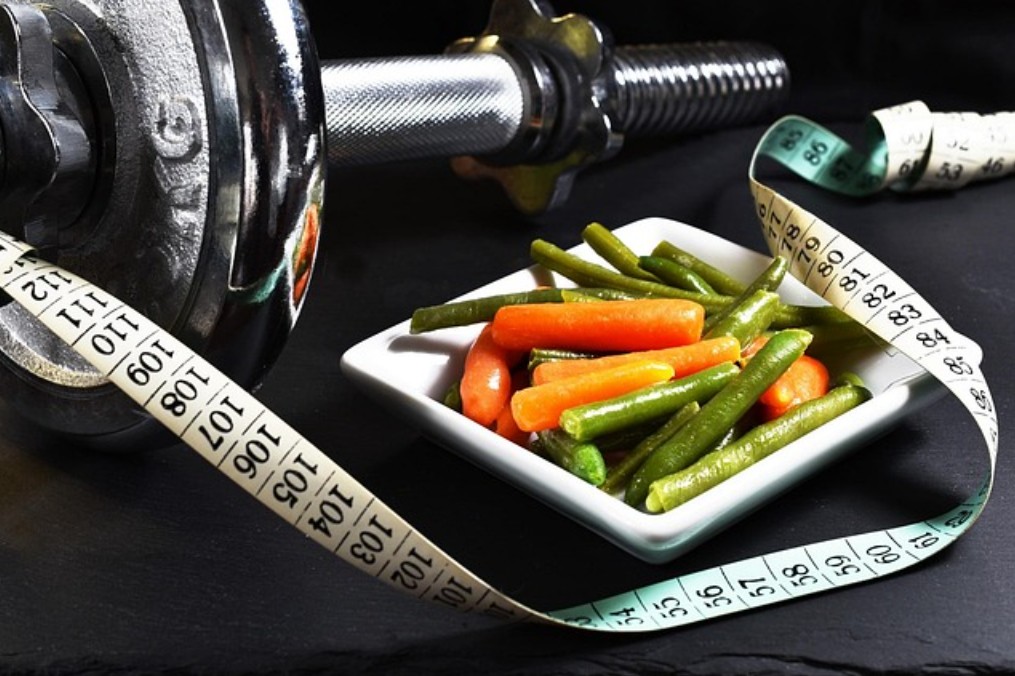
Weight loss is one of those goals that looks straightforward on paper but feels anything but that in real life. Diet and exercise are foundational, but for many people, they’re simply not enough to move the needle.
Peptides for fat loss are gaining serious attention right now, and for good reason.
Today, we’ll break down three specific weight loss protocols, so you can make an informed decision about what might work for you.
How Do Weight Loss Peptides Actually Work?
Think of peptides as your body’s internal messaging system. They’re short chains of amino acids that act as signaling molecules, telling your body what to do and when to do it.
In peptides and weight loss, the goal is to influence the specific pathways that govern fat metabolism, appetite regulation, and energy expenditure. So instead of broadly suppressing calories, these compounds work with your biology.
The Growth Hormone Connection
Most fat-burning peptides, including CJC 1295/Ipamorelin, work by stimulating the pituitary gland to release more growth hormone. Higher growth hormone levels mean your body becomes more efficient at breaking down stored fat for energy, a process called lipolysis.
This also improves insulin sensitivity and preferentially targets visceral fat, the stubborn kind that accumulates around your midsection. Since these peptides support thermogenesis, your body burns more calories throughout the day, even at rest.
Fat Loss vs. Muscle Growth Peptides
Not all peptides serve the same purpose, and that distinction matters. Peptides designed for muscle growth or recovery focus on protein synthesis and nitrogen retention to support hypertrophy. Weight loss peptides prioritize something different: GH-mediated lipolysis and better nutrient partitioning.
What does that mean in practice? Your body starts favoring it as a fuel source rather than storing it.
- CJC 1295 provides a sustained, steady release of growth hormone, which creates ongoing metabolic benefits over time.
- Ipamorelin works alongside it by selectively mimicking ghrelin, supporting fat loss while also helping to preserve lean muscle.
- Together, these weight loss protocols have become one of the more popular combinations in clinical weight management settings.
What Makes This Different From Traditional Supplements?
Traditional weight loss supplements often rely on stimulants or caloric suppression. Peptides operate at a hormonal and cellular level, targeting the root mechanisms of fat metabolism rather than only reducing appetite.
That’s a meaningful difference if you’ve tried conventional approaches and hit a wall.
CJC 1295 and Ipamorelin: Growth Hormone–Boosting Peptides
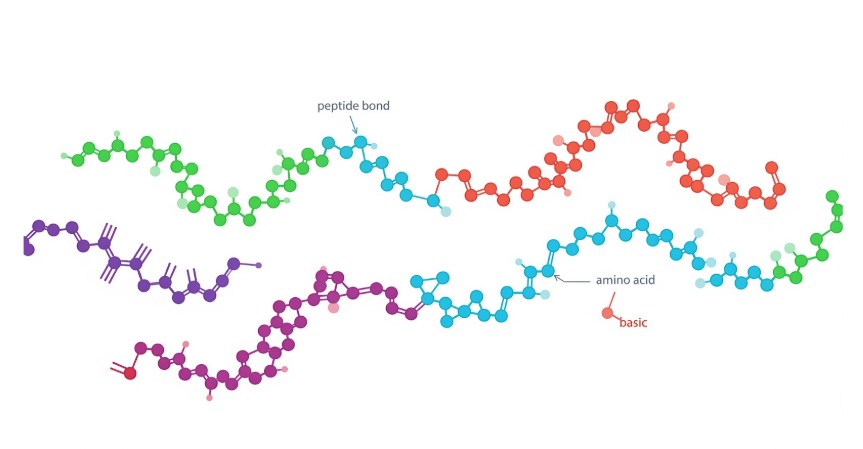
CJC 1295 and Ipamorelin are rarely discussed separately, and that’s intentional. They’re designed to work together, each targeting a different part of the growth hormone release process to create a more complete effect.
As a GHRH analog that extends the duration of GH pulses, CJC 1295 keeps levels elevated for longer periods. Ipamorelin acts as a selective ghrelin mimetic, triggering acute GH secretion without spiking cortisol or prolactin.
Together, they can boost GH levels up to five to ten times above baseline.
How Growth Hormone Drives Fat Loss
So, why does growth hormone matter so much for weight loss? When GH levels rise, your body shifts into a fat-burning state by promoting lipolysis, the breakdown of triglycerides in adipose tissue into free fatty acids for energy.
This process specifically targets visceral fat, the deep abdominal fat that’s notoriously difficult to shift through diet alone. GH also boosts IGF-1 production, which supports thermogenesis and can increase daily calorie burn meaningfully over time.
What makes CJC 1295/Ipamorelin weight loss protocols appealing is that they preserve the body’s natural feedback loop. Unlike direct GH injections, this combination works with your existing hormonal rhythms, which reduces the risk of desensitization over time.
What Do Clinical Observations Show?
Patient reports and clinical observations paint a consistent picture. Users typically notice improvements in sleep quality and energy in the first couple of weeks, with more visible fat loss becoming apparent between weeks five and eight. Waist reductions and preserved lean muscle mass are commonly reported outcomes, which points to the body recomposition effect these peptides are known for.
These results align with what we understand about GH’s role in fat oxidation and nutrient partitioning, directing calories toward muscle maintenance rather than fat storage.
5-Amino-1MQ: Targeting Cellular Energy and Fat Storage
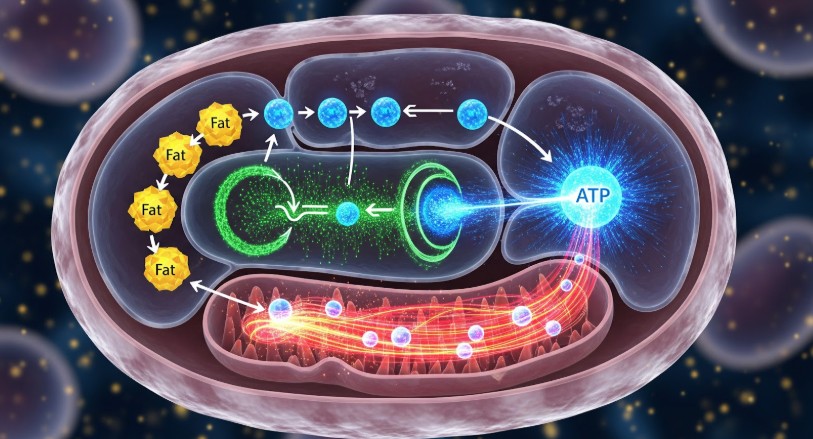
Most weight loss peptides work through hormonal pathways, but 5-amino-1MQ takes a different approach entirely. It targets the cellular machinery responsible for fat storage, which makes it a genuinely interesting option for those who’ve plateaued on conventional protocols.
5-amino-1MQ works by inhibiting an enzyme called NNMT, which is overexpressed in fat tissue and contributes to fat storage by depleting cellular NAD+ levels. When NNMT is blocked, NAD+ is preserved, which fuels sirtuin activity and improves mitochondrial function. The result is a meaningful shift in how your cells handle energy.
How This Differs From GH Peptides
CJC 1295 Ipamorelin and similar growth hormone peptides work through hormonal cascades, stimulating the pituitary gland and influencing systemic fat breakdown via IGF-1 and insulin sensitivity. 5-amino-1MQ bypasses that system entirely.
Instead of triggering a hormonal response, it acts directly on metabolic enzymes at the cellular level. It also promotes white-to-brown fat conversion, which increases basal metabolic rate without stimulants or appetite suppression. That’s a notably different mechanism, and it’s why 5-amino-1MQ weight loss protocols are often considered complementary to GH-based approaches rather than interchangeable with them.
What Does the Research Show?
Human data on 5-amino-1MQ is still emerging, but preclinical findings are worth paying attention to. In diet-induced obese mice, researchers saw a five to seven percent body weight reduction over ten days, coupled with roughly 35% less white adipose tissue and smaller fat cells.
Importantly, these results occurred without reduced food intake, which suggests the compound works through metabolic efficiency rather than caloric restriction. Cholesterol markers and insulin sensitivity also improved in the same models.
Robust human trials are pending, but the mechanism is well-supported, and early data is promising for those exploring non-GH fat metabolism peptides.
Peptides vs Diet and Exercise: How They Stack Up
Let’s be clear about something before we go any further. Peptides aren’t a replacement for nutrition and training. They never were, and framing them that way would be doing you a disservice.
What peptides do is amplify what you’re already doing. When your diet and training are dialed in, peptides for weight loss can help you push past the plateaus that traditional methods can’t seem to crack.
A Direct Comparison
Here’s how the two approaches compare across the factors that matter most:
| Factor | Peptides for Weight Loss | Diet and Exercise Alone |
| Mechanism | Hormonal or enzymatic; targets visceral fat and energy metabolism | Caloric restriction and muscle activation |
| Efficacy | 5 to 12 lbs over 4 to 12 weeks with muscle preservation | 1 to 2 lbs per week; variable with adherence |
| Timeline | Energy and recovery improvements within 1 to 2 weeks | Body composition changes over 3 to 6 months |
| Sustainability | Requires monitoring and structured cycles | Lifestyle-dependent; dropout risk without consistency |
Neither approach wins outright. They’re designed to work together.
How to Integrate Peptides With Your Lifestyle
If you’re considering peptide fat loss supplements, the foundation still has to be solid. That means a protein intake around 1.6 to 2.2 grams per kilogram of body weight, consistent resistance training, and recovery practices that support hormonal health.
GH-stimulating peptides like CJC 1295 Ipamorelin work particularly well alongside compound lifts and adequate sleep, since GH release naturally peaks during deep sleep cycles. You’re essentially stacking two inputs that support the same output.
Cardio remains relevant too, not as punishment, but as a tool for increasing energy expenditure in a way that complements what the peptides are already doing at a metabolic level.
Who Is This Actually For?
Supplement-assisted fat loss with peptides makes the most sense for people who are already doing the work and hitting a wall. If you’re eating well, training consistently, and still not seeing the results you expect, that’s the inflection point where peptides become worth exploring seriously.
Professional oversight isn’t optional here. Tracking progress through body composition measurements rather than scale weight alone will give you a much clearer picture of what’s actually working.
Safety First: What You Should Know About Peptide Use
Peptides for fat loss are generating real interest in clinical and wellness circles, and the mechanisms behind them are well-researched. That said, interest and approval aren’t the same thing, and it’s worth understanding where the science currently stands.
Most reported side effects are mild. Injection site reactions, temporary water retention, and minor fatigue are the most commonly noted. GH peptides may also influence insulin sensitivity or hunger short-term, though they generally avoid the cortisol spikes associated with stimulant-based supplements.
Legal Status and Regulatory Considerations
This is where things get nuanced. AOD 9604 was studied in clinical trials and holds a nutraceutical designation in some regions, but it hasn’t received FDA approval as a weight loss treatment. 5-amino-1MQ occupies a gray area in many markets, classified for research use rather than direct consumer sale.
Legal status varies significantly by country, so verifying local regulations before sourcing any peptide is a non-negotiable step. Unregulated sourcing carries real risks, including contamination and inconsistent dosing, which undermines both safety and results.
Why Medical Supervision Matters
Responsible peptide use isn’t something you should navigate alone. Working with a qualified provider means getting baseline bloodwork done before starting, monitoring GH, IGF-1, liver enzymes, and glucose throughout your cycle, and having someone adjust your protocol based on how your body responds.
Standard GH peptide cycles typically run three to six months, followed by a structured break of four to eight weeks. Starting at conservative doses and scaling gradually is the approach most clinicians recommend.
The goal is evidence-based supplementation, not experimentation. Verified sources, tracking body composition rather than just scale weight, and stopping immediately if something feels off are the baseline standards for doing this responsibly.
LIVV Natural: Supporting Your Fat Loss Goals Responsibly
Finding a provider you can actually trust in the peptide space isn’t always straightforward. The market is noisy, and not everyone prioritizes education over a fast sale. LIVV Natural is built differently.
Our approach to peptides for weight loss starts with transparency. Before anything else, you’ll find clear, research-aligned information that helps you understand what you’re considering and why. That matters when you’re making decisions that affect your hormonal health and metabolism.
Quality You Can Verify
We source from GMP-certified labs, which means every product goes through purity testing, potency verification, and batch traceability. That level of accountability isn’t universal in this space, and it’s exactly what separates responsible providers from the rest.
When you’re working with compounds like CJC 1295 Ipamorelin, AOD 9604, or 5-amino-1MQ, sourcing quality isn’t a nice-to-have. It directly affects both your safety and your results.
Guidance That Goes Beyond the Product
We don’t hand you a protocol and send you on your way. Our resources include detailed dosing guides, cycle recommendations, and access to consultations with wellness experts who understand how to integrate peptides with your existing nutrition and training approach.
That kind of personalized oversight is what responsible fat loss actually looks like in practice. Whether you’re exploring peptides for the first time or looking to refine an existing protocol, having expert guidance in your corner makes a measurable difference.
Peptides for Weight Loss: Evidence, Safety, and Your Next Steps
Peptides for weight loss work best when they’re part of a bigger picture. CJC 1295 Ipamorelin and 5-amino-1MQ each offer distinct, research-supported mechanisms that can significantly support fat loss when combined with proper diet, exercise, and professional guidance.
They’re not shortcuts. They’re tools, and like any tool, their value depends entirely on how intentionally you use them. Start with education, build a plan, and consult with a qualified provider before starting any protocol.
LIVV Natural is a good place to begin.
Ready to find what’s right for you? Schedule a booking to connect with a provider who can build a protocol around your specific goals.