

Blog
Does Sermorelin Cause Cancer? Separating Scientific Facts from Common Myths

Sermorelin has become increasingly popular in integrative wellness and anti-aging therapy. It offers patients a promising approach to optimize hormone levels and improve vitality.
A critical question frequently arises in consultations: does sermorelin cause cancer? This concern is understandable, given the complex relationship between growth hormones and cellular health.
Today, we’ll examine the scientific evidence, separating persistent myths from established facts. We’ll also provide the clear, research-backed information you need to make informed decisions about peptide therapy.
Let’s explore what current medical literature reveals about sermorelin’s safety profile.
What Is Sermorelin?
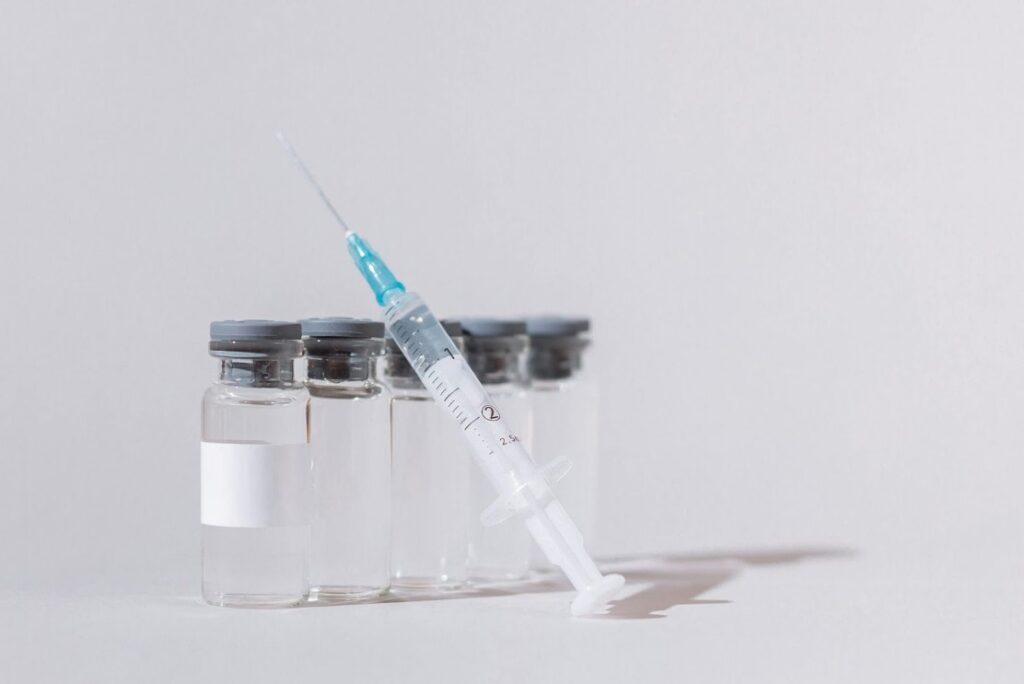
Sermorelin is a synthetic version of growth hormone-releasing hormone (GHRH), specifically the first 29 amino acids of the naturally occurring hormone. This bioidentical peptide works by stimulating the pituitary gland to naturally produce and release growth hormone (GH). It subsequently increases levels of insulin-like growth factor 1 (IGF-1) throughout the body.
Unlike direct GH injections that bypass the body’s regulatory mechanisms, sermorelin encourages your own regulated hormone production. Ultimately, it preserves the natural pulsatile release pattern and maintains homeostatic feedback loops.
Therapeutically, sermorelin has gained recognition for multiple applications in integrative medicine. Patients typically seek treatment for its anti-aging benefits, including improved muscle mass, enhanced metabolism, better sleep quality, and accelerated recovery from exercise or injury.
The peptide’s ability to support natural GH secretion without causing pituitary desensitization makes it particularly valuable for long-term therapy. It avoids the tolerance issues often seen with synthetic GH administration.
Patient concerns about sermorelin side effects cancer risks frequency arise during consultations. Scientific evidence doesn’t support that sermorelin directly causes cancer. There exists a theoretical consideration: increased GH and IGF-1 levels could potentially accelerate growth of existing cancer cells, particularly in hormone-sensitive tissues.
This distinction is crucial—sermorelin doesn’t initiate cancer but might influence pre-existing malignant cells. Therefore, individuals with cancer history or genetic predispositions require careful evaluation and monitoring during therapy.
Why People Worry About Cancer Risk
Patient concerns about growth hormone therapy and cancer risk stem from the fundamental relationship between IGF-1 (insulin-like growth factor 1) and cellular growth. When growth hormone stimulates IGF-1 production, this powerful growth factor promotes cell division while simultaneously inhibiting apoptosis—the natural process of programmed cell death.
While these processes are essential for normal tissue repair and regeneration, they’re also hallmark characteristics of cancer cells. This biological reality creates understandable anxiety: could elevated IGF-1 levels potentially “feed tumors” by providing existing cancer cells with enhanced signals to multiply and survive?
Scientific evidence adds complexity to these concerns. Experimental studies in animal models have demonstrated that increased GH and IGF-1 signaling can promote tumor growth and metastasis. Human epidemiological data presents mixed results, though some studies indicate correlations between elevated IGF-1 levels and increased risk of certain cancers, particularly breast, prostate, and colorectal cancers.
These findings naturally lead patients to question: can sermorelin cause cancer?
However, a critical distinction exists between synthetic GH therapy and sermorelin treatment. Direct GH injections introduce exogenous growth hormone, creating sustained, supraphysiological levels that bypass the body’s regulatory mechanisms.
Conversely, sermorelin works indirectly by stimulating your pituitary gland to produce GH naturally, maintaining physiologic secretion patterns and preserving negative feedback loops. This difference matters significantly—while synthetic GH floods the system continuously, sermorelin respects your body’s natural hormonal rhythms, potentially minimizing excessive IGF-1 exposure and associated theoretical cancer risks
What Do Clinical Studies Say About Sermorelin and Cancer Risk?

There is currently no evidence that Sermorelin directly causes cancer. Clinical studies examining sermorelin therapy have not demonstrated any causal link between this peptide treatment and cancer development in humans.
Sermorelin stimulates natural growth hormone production, subsequently raising IGF-1 levels. This physiological effect has not translated into confirmed cancer causation among patients receiving treatment under proper medical supervision.
Sermorelin’s safety profile remains favorable for appropriate candidates. Long-term observational data from clinical practice shows that when used with regular monitoring, sermorelin therapy maintains a positive risk-benefit ratio. The key lies in proper patient selection and ongoing medical oversight, including regular IGF-1 level monitoring to ensure values remain within physiological ranges
Important exclusion criteria exist for safety reasons. People with active tumors or histories of hormone-sensitive cancers are typically advised against any growth hormone-related therapy, including sermorelin. This precautionary approach stems from theoretical concerns that elevated GH and IGF-1 could potentially accelerate existing malignant cell growth, particularly in breast, prostate, or colorectal tissues.
Medical supervision significantly enhances treatment safety. Under appropriate clinical care, sermorelin therapy includes:
- Baseline cancer screening before treatment initiation
- Regular IGF-1 level monitoring to prevent supraphysiological elevations
- Periodic health assessments to detect any concerning changes
- Dose adjustments based on individual response and tolerance
The distinction between theoretical risk and proven causation remains crucial. While epidemiological studies have shown associations between elevated IGF-1 and certain cancer risks, sermorelin’s indirect mechanism of action—stimulating natural, pulsatile GH release—may present fewer risks than direct synthetic growth hormone injections. Current evidence supports sermorelin as a generally safe therapeutic option when prescribed appropriately and monitored carefully.
Sermorelin vs Other Growth Hormone Therapies
The fundamental difference between sermorelin and synthetic growth hormone injections lies in their approach to hormone optimization. Sermorelin works as a growth hormone-releasing hormone (GHRH) analogue, stimulating your pituitary gland to produce GH according to your body’s natural circadian rhythm and feedback mechanisms.
Synthetic GH therapy, conversely, delivers exogenous hormone directly into the bloodstream, bypassing your body’s regulatory systems and creating sustained, non-physiological hormone elevations.
Sermorelin offers more controlled and regulated stimulation. Because it works through your existing pituitary function, sermorelin preserves the natural pulsatile release pattern of growth hormone—typically highest during deep sleep and after exercise.
This physiological approach significantly reduces the risk of IGF-1 overshoot. This is a concerning complication where levels exceed safe ranges and potentially trigger adverse effects including acromegaly features, insulin resistance, carpal tunnel syndrome, and joint pain.
Direct GH injections present higher risk profiles due to their pharmacokinetics. When synthetic GH enters the bloodstream, it creates immediate, sustained elevations that can overwhelm normal feedback loops.
This continuous exposure not only increases side effect risks but can also suppress your body’s endogenous GH production, creating dependency and making discontinuation challenging.
Many physicians prefer sermorelin for its superior safety profile, particularly for long-term therapy. The ability to maintain natural hormone balance while achieving therapeutic benefits makes sermorelin especially suitable for specific patients. This is particularly applicable for those with mild to moderate GH deficiency, age-related decline, or those seeking metabolic optimization without aggressive hormone replacement.
Additionally, sermorelin therapy allows for easier dose adjustments and discontinuation if needed, as it doesn’t suppress natural pituitary function.
What Are the Common Side Effects of Sermorelin?
Common side effects of sermorelin are generally mild and transient, affecting a small percentage of patients. The most frequently reported issues involve injection site reactions, including redness, swelling, pain, itching, and minor irritation at the administration site. These local reactions typically occur within hours of injection and resolve spontaneously within 24-72 hours without intervention.
Systemic side effects may include dizziness, facial flushing, headaches, and mild nausea, particularly during the initial weeks of therapy. These symptoms usually diminish as your body adjusts to treatment, and most patients find them manageable with simple measures like staying hydrated and timing injections appropriately. Some individuals experience vivid dreams or improved sleep quality—technically a side effect, though often considered beneficial
Less common reactions requiring medical attention include difficulty swallowing, throat tightness, or persistent injection site problems. While severe allergic reactions remain rare, symptoms like hives, facial swelling, or breathing difficulties require immediate emergency care.
It’s crucial to clarify that cancer as a side effect for sermorelin is not an established or recognized adverse event. Despite patient concerns about cancer risks due to the hormone-related nature of treatment, no clinical evidence supports sermorelin causing cancer
Cancer development is not listed among sermorelin’s side effects in any FDA documentation or clinical trial data. The theoretical considerations regarding IGF-1 and existing tumors represent precautionary monitoring parameters rather than documented side effects.
Patients should report any concerning symptoms to their healthcare provider for proper evaluation and potential dose adjustment.
Who Should (and Shouldn’t) Use Sermorelin?
Sermorelin therapy is generally safe for most healthy adults experiencing age-related growth hormone decline. Qualified physicians must prescribe and monitor treatment for optimal safety. Ideal candidates include those with documented GH deficiency or symptoms like decreased muscle mass, poor sleep, and reduced energy.
Critical contraindications exist for specific populations. Patients with active cancer or tumors should absolutely avoid sermorelin therapy. Stimulating growth hormone production could theoretically accelerate malignant cell proliferation.
Individuals with histories of hormone-sensitive cancers require extreme caution. This includes breast, prostate, colorectal, or certain lymphomas. The growth hormone/IGF-1 axis may influence cancer cell behavior in these tissues.
Comprehensive medical evaluation is non-negotiable before initiating therapy. This includes detailed medical history, physical examination, and essential laboratory work. Key tests include baseline IGF-1 levels, metabolic panels, and cancer screening markers when indicated.
Ongoing monitoring ensures levels remain within therapeutic ranges. Regular follow-ups and periodic IGF-1 testing prevent dangerous elevations. This vigilance protects patients throughout their treatment journey.
At Livv Natural, providers prioritize patient safety through rigorous screening protocols. Our practitioners thoroughly evaluate medical histories and conduct appropriate baseline testing. We maintain close supervision with regular laboratory assessments throughout treatment.
This comprehensive approach identifies ideal candidates while protecting at-risk individuals. We ensure responsible sermorelin prescribing for every patient. Our goal is effective, safe therapy tailored to individual needs.
Is Sermorelin Safe According to Medical Experts?
Leading endocrinologists and peptide researchers consistently recognize sermorelin as a safe and well-tolerated therapy. Proper clinical supervision is essential for optimal safety. Sermorelin’s indirect mechanism—stimulating natural pituitary function—fundamentally reduces risk compared to direct growth hormone replacement.
Experts particularly value sermorelin’s built-in safety mechanism: the preservation of negative feedback loops. When IGF-1 levels rise appropriately, the body naturally modulates further GH release. This prevents dangerous hormone overshoots common with synthetic GH injections.
This physiological self-regulation significantly lowers risks of side effects and hormone imbalances. Sermorelin remains suitable for long-term optimization protocols. Synthetic GH might pose cumulative risks in similar situations.
Clinical settings enhance safety through individualized treatment protocols. Endocrinology specialists emphasize comprehensive baseline assessments and personalized dosing strategies. Regular IGF-1 monitoring ensures therapeutic ranges without excess.
This vigilant approach creates multiple safety layers. Careful screening for contraindications protects patients throughout treatment. Combined protocols maximize both safety and effectiveness.
We combine cutting-edge peptide knowledge with rigorous safety protocols for an expert-recommended approach. Each patient receives personalized evaluation, appropriate dosing, and continuous monitoring.
We follow evidence-based guidelines established by leading endocrinologists to help you navigate sermorelin therapy with confidence. Our goal is addressing concerns while maximizing therapeutic benefits safely.
Does Sermorelin Cause Cancer? Final Verdict
The evidence is clear: there is no strong scientific data linking sermorelin to cancer development. Concerns arise from misunderstandings about the growth hormone/IGF-1 axis and cellular growth. However, comprehensive research consistently supports sermorelin’s safety profile when used appropriately.
Unlike direct GH injections, sermorelin stimulates your body’s natural hormone production. It preserves regulatory feedback loops for safer hormone optimization. This physiological approach offers a responsible path forward.
With proper medical screening, sermorelin remains a well-tolerated therapy. Individualized dosing and ongoing monitoring ensure safety for suitable candidates. These safeguards make sermorelin a trusted option for hormone therapy.
Are you wondering if sermorelin is right for you? Book a consultation today for personalized, evidence-based peptide therapy tailored to your unique health goals.