

Blog
How Do Peptides Help with Hair Loss and Regrowth?
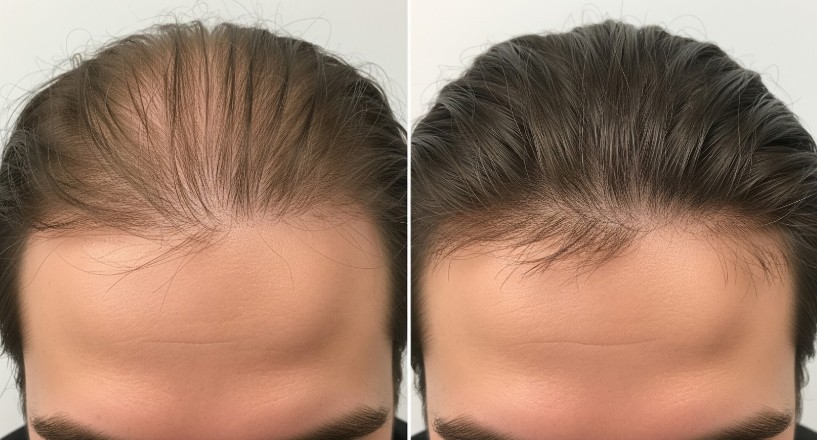
Did you know that by age 50, 85% of men and 55% of women experience significant hair loss?
Traditional treatments often fall short for long-term results. That’s where peptides for hair loss steps in, offering a revolutionary approach to hair restoration.
By naturally stimulating growth factors, these hair restoration peptides encourage follicle regeneration and prolong the anagen phase.
Let’s look at how peptide therapies as regenerative therapies can target thinning hair and support healthy regrowth.
Understanding Hair Loss and the Growth Cycle

Hair grows through a natural cycle with four phases:
- Anagen actively produces follicles, lasting 2–7 years
- Catagen is when the follicles shrink and growth slows, lasts 2–3 weeks
- Telogen lasts 2–3 months and allows the hair to rest before shedding
- Exogen is the shedding phase that makes way for new growth
Some common hair loss causes include:
- Androgenetic alopecia, which is often triggered by DHT
- Telogen effluvium
- Nutritional deficiencies
- Hormonal imbalances
- Inflammation disrupting follicles
Traditional treatments carry possible side effects, and surgical options are costly with variable results.
Peptides for hair loss, on the other hand, provide a fresh approach. They stimulate follicle regeneration, improve blood flow, reduce inflammation, and counteract DHT, supporting the anagen phase and stronger, thicker hair. Used alone or with other therapies like microneedling, these hair restoration peptides offer a safer, more effective path to regrowth.
How Peptides Stimulate Hair Growth
Peptides stimulate hair growth through multiple mechanisms that support follicle regeneration, vascular dilation, anti-inflammatory actions, and improved cellular communication. These interconnected processes create a healthier environment for thickener, stronger hair.
Growth factor stimulation is a key part of the peptides for hair growth mechanism. Peptides trigger the production of IGF-1, VEGF, FGF, and KGF, all of which promote stem cell activation, dermal papilla proliferation and follicle regeneration. This helps reverse miniaturization, extend the anagen phase, and improve overall follicle function.
Vascular dilation is another vital benefit as peptides increase bloodflow, optimize nutrient and oxygen delivery, and improve waste removal around follicles. Improved circulation ensures follicles receive everything they need to thrive.
Peptides also exert anti-inflammatory effects by modulating cytokines, reducing oxidative stress, and supporting scalp health. Some peptides can even interfere with DHT activity, which contributes to androgenetic alopecia.
Finally, peptides improve cellular communication by activating signaling pathways and gene expression in follicle cells, boosting protein synthesis and hair shaft growth. These mechanisms work together to create stronger, more resilient hair follicles capable of sustained growth.
Best Peptides for Hair Growth and Restoration
Recently, peptides have become one of the most effective tools for hair restoration, offering targeted support for follicle regeneration, scalp, and hair density. Here are some of the best peptides for hair.
GHK-Cu increases follicle size, stimulating blood flow, and providing anti-inflammatory benefits. The recommended dosage is a 0.1 ml injection daily.
TB-500 (Thymosin Beta-4) supports angiogenesis, stem cell migration, and hair shaft thickening. Injectable dosing is typically 0.3 ml 2–3 times a week.
BPC-157 promotes healing, reduces inflammation, and offers systemic benefits. Injectable protocols involve 0.3 ml injections 2–3 times a week or 2 capsules each night.
| Peptide | Mechanism | Typical Use/Dosing | Clinical Highlights |
| GHK-Cu | Follicle size, blood flow | Injectable 0.1 ml daily | 27% hair density increase over 6 months |
| TB-500 | Angiogenesis, stem cells | Injectable 0.3 ml 2–3x/week | Supports follicle repair, thicker shafts |
| BPC-157 | Healing, anti-inflammatory | Injectable 0.3 ml 2–3x/week | Boosts scalp recovery, hair regrowth |
Injectable vs. Topical Peptides for Hair
Delivery methods of peptides for hair growth may vary, with injectable and topical options offering unique benefits. Choosing the right approach depends on your goals, convenience, and desired speed of results.
Injectable peptides for hair growth provide systemic benefits and higher bioavailability. Delivered subcutaneously, they reach the follicle environment directly, stimulating the stem cells, improving blood flow, and reducing inflammation.
Dosing protocols vary by peptide, with some requiring weekly or daily injections. Professional supervision ensures safe administration and optimal results.
Topical peptide hair serums and creams deliver active compounds directly to the scalp. They are easy to use, require daily application, and can be combined with other ingredients to improve follicle health. While absorption is slower, they remain a convenient and effective maintenant option.
Microneedling peptides promote by creating microchannels in the scalp. Recommended depths range from 0.5mm to 1.5mm with treatment frequencies from weekly to monthly. Safety precautions prevent irritations or infection.
Combining injectables with topical peptides offers synergistic benefits, while sequential therapy or maintenance protocols maximize hair regrowth and density.
| Delivery Method | Bioavailability | Administration | Convenience | Results Speed | Supervision Needed |
| Injectable Peptides | High | Subcutaneous injections | Moderate | Fast | Yes |
| Topical Peptides | Moderate-Low | Serums, sprays, creams | Easy, DIY | Slow-Medium | No |
| Topical + Microneedling | Enhanced | Dermaroller/pen + serum | Moderate | Medium-Fast | Partial |
Clinical Evidence and Research Results
Numerous peptide hair growth studies demonstrate how peptides restore follicles and stimulate regrowth. Among the most researched, GHK-Cu shows up to a 35% increase in hair density and follicle size through improved blood flow, collagen stimulation, and reduced inflammation.
TB-500, studied mainly in animal models, speeds up tissue repair and angiogenesis, supporting follicle regeneration and hair shaft thickening. Early human trials and user reports show noticeable improvement in thickness and reduced shedding.
PTD-DBM targets Wnt/β-catenin pathways and has shown increased new follicle formation and reversal of miniaturized follicles. Combination therapies, such as GHK-Cu with PTD-DBM, provide synergistic effects, promoting faster hair regrowth and improved scalp health.
An estimated timeline of results is:
- Weeks 4–6 shows a reduction in shedding
- Weeks 8–12 reveals new visible growth
- Months 3–6 show significant density improvements
- After 6 months continued gains are sustained with ongoing therapy
Side Effects and Safety Considerations
Peptide treatments are generally well-tolerated and have a favorable safety profile compared to traditional hair loss drugs. Common side effects may include mild scalp irritation like redness, itching or dryness, particularly with topical applications.
Some users experience a temporary shedding chase as old hairs make way for new growth. Injectable peptides can cause minor injection site reactions, including swelling, tenderness, or bruising, while systemic effects are rare.
Contraindications include active scalp conditions, pregnancy or nursing , a history of cancer, or autoimmune disorders. Consulting a healthcare professional before starting peptide therapy ensures safety, especially for those with underlying health concerns.
Quality and handling are critical for peptide hair safety. Using high-purity peptides from verified sources, storing them properly, and observing expiration dates preserves effectiveness and minimizes risk. At LIVV Natural, we follow strict protocols to guarantee product quality, correct dosing, and patient protection.
Combining Peptides with Other Hair Loss Treatments

Peptide therapies deliver their best results when used alongside other proven treatments in a comprehensive stack. Pairing peptides with traditional treatments improves follicle stimulation and extends the anagen growth phase and follicle repair. Platelet-rich plasma (PRP) therapy can further amplify regenerative effects.
Nutritional support is equally important. Supplements like biotin, iron, vitamin D, omega-3 fatty acids, and collagen provide the essential building blocks for stronger, denser hair, complementing peptide therapy from the inside out.
Lifestyle habits like stress management, quality sleep, regular exercise, scalp massage, and nutrient-rich diet promote circulation and optimize follicle health. Professional in-office procedures like mesotherapy or integration with hair transplants allow peptides to work more effectively.
Timeline and Realistic Expectations
Hair restoration through peptide injections is a gradual, regenerative process that unfolds over several months rather than weeks. Understanding what to expect at each stage helps set realistic goals, track meaningful progress, and stay committed to the journey toward thicker, healthier hair.
A typical month-to-month progress timeline:
-
- Month 1: The foundation is built by peptides improving scalp health, reducing inflammation, and stimulating follicle repair. The changes are mostly internal.
- Month 2: Hair may shed temporarily as follicles transition from the telogen phase.
- Month 3: In early regrowth fine hairs appear and scalp texture begins to improve.
- Month 4–6: Increased density, thickness, and coverage in thinning areas provide visible improvement.
- Month 6+: Longer, stronger hair, and continued gains with maintenance.
Please note that results may vary. Age, genetics, severity, and adherence to protocols impact the outcomes experienced.
To track progress, take baseline photos under consistent lighting, at monthly intervals, and from multiple angles. Success is measured by reduced shedding, increased thickness, new growth, and improved hair texture.
Following a structured peptide hair growth timeline sets realistic expectations and supports long-term adherence to a hair growth regimen.
Frequently Asked Questions
What are the best peptides for hair growth?
The most effective peptides include GHK-Cu (Copper Peptides), TB-500 (Thymosin Beta-4), and BPC-157.
How long before I see results from home peptides?
Results typically appear between 3–6 months. Shedding reduction may occur by weeks 4–6, with visible new regrowth between months 3–6. It’s crucial to note, though, that they vary by each individual.
Are injectionable peptides better than topical for hair?
Injectables offer higher bioavailability and faster follicle penetration, while topicals are convenient for daily use. Combined approaches often optimized regrowth.
Can peptides regrow hair on a bald scalp?
Peptides support dormant follicles but cannot create new ones. Success depends on follicle viability.
Do peptides work for women’s hair loss?
Yes, they improve scalp circulation, reduce inflammation, and support follicle health without hormonal disruption.
Are hair peptides safe long-term?
Peptides are generally well-tolerated with minimal side effects. If any side effects are experienced, they are mild and reversible.
Can I use peptides with minoxidil?
Yes, combination therapy can provide synergistic stimulation for better results.
Will hair fall out if I stop peptide treatments?
Discontinuation may lead to gradual loss of newly regrown hair.
Take Control of Hair Loss Today with LIVV Natural
Peptides for hair loss offer scientifically backed, multi-mechanism support (stimulating follicles, improving scalp health, and promoting visible regrowth). Hair peptides deliver a personalised protocol tailored to your unique needs, combining professional guidance, medical supervision, and ongoing progress tracking.
Book a consultation with our team for access to a supportive community, evidence-based therapies, and a clear path to sustainable hair restoration. Take the first step toward healthier, fuller hair today and witness the difference through documented success stories and a trusted, science-driven approach.