

Blog
How Peptides Can Help With Hair Growth and Prevent Hair Loss
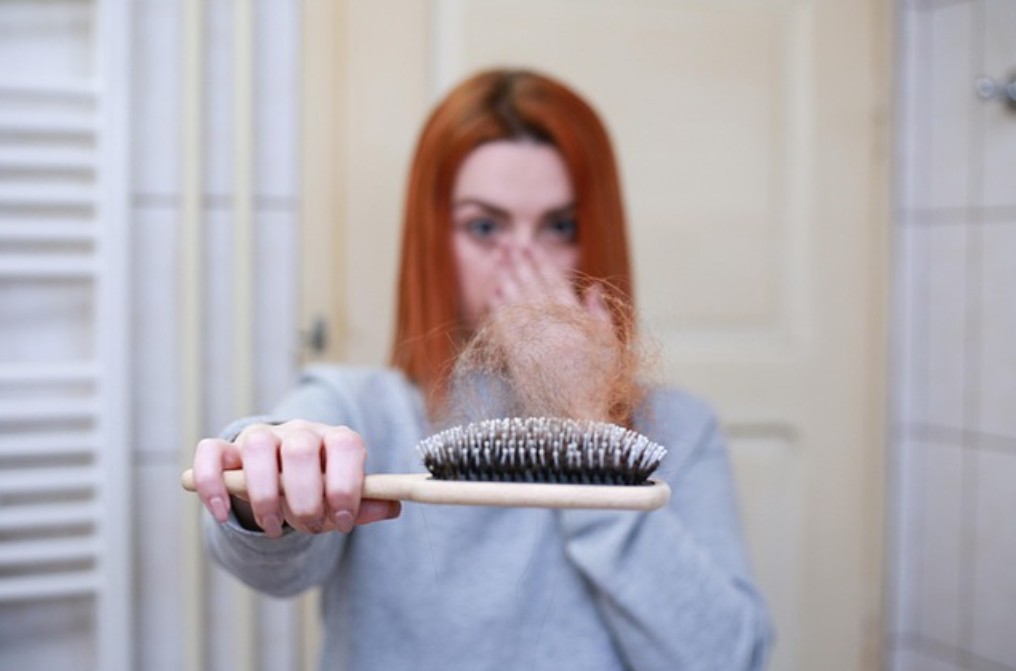
Hair thinning and hair loss affect millions of adults, yet traditional solutions like topicals, supplements, and hair transplants often fall short or come with unwanted side effects. That’s why peptides for hair growth are gaining serious attention in the wellness and regenerative health space.
Peptides like GHK-Cu and BPC-157 work differently than conventional treatments. They target hair follicles at the cellular level, supporting natural regeneration, improved blood flow, and reduced inflammation.
Today, we’ll break down the science behind peptides for hair loss. We’ll reveal how these compounds may help restore thickness, density, and overall scalp health through evidence-based mechanisms.
The Science of Hair Growth: Understanding Follicles and Growth Cycles
Hair growth isn’t random. It follows a precise cycle with three phases: anagen, catagen, and telogen. Each phase determines whether your follicles are actively growing, transitioning, or shedding.
The Hair Growth Cycle Explained
The anagen phase is the active growth stage, lasting two to seven years. Cells in the hair bulb divide rapidly, pulling nutrients from surrounding blood vessels. Around 85 to 90 percent of your scalp follicles sit in anagen at any given time.
Catagen follows as a short two to three week transition. Growth stops, the hair bulb detaches from its blood supply, and the follicle shrinks significantly. Telogen comes last, a three-month resting phase where the follicle holds the old strand before shedding and restarting the cycle.
Premature shifts into telogen, triggered by stress or hormonal changes, lead to noticeable thinning and increased shedding.
What Disrupts the Hair Growth Cycle?
Several factors throw this cycle off balance. Here’s what’s most commonly at play:
- Genetics: Androgenetic alopecia stems from sensitivity to DHT, a hormone that miniaturizes follicles over time. It affects up to 95 percent of men and a significant portion of women.
- Hormonal shifts: Thyroid imbalances, pregnancy, menopause, and PCOS push more follicles into resting phases prematurely.
- Chronic stress: Elevated cortisol degrades the extracellular matrix around follicles and triggers inflammation, accelerating shedding.
- Nutritional deficiencies: Without adequate protein, iron, zinc, or biotin, your body can’t synthesize keratin or support anagen growth.
Why Follicle Health Matters for Peptides
Healthy follicles resist miniaturization, maintain strong blood vessel connections, and keep inflammation low. That’s exactly where peptides for hair growth make their mark.
Peptides mimic natural signaling molecules, boosting keratinocyte activity, improving scalp circulation, and extending anagen duration. GHK-Cu, for example, stimulates follicle proliferation and promotes collagen synthesis in the surrounding extracellular matrix.
The result is a better environment for thicker, more resilient hair growth.
GHK-Cu for Hair Growth: How This Peptide Stimulates Follicles
GHK-Cu, short for glycyl-histidyl-lysine copper, is a naturally occurring tripeptide that binds copper ions to deliver targeted effects to hair follicles. GHK-Cu levels decline with age, which correlates with slower tissue repair and reduced regeneration. Topical or injectable applications tap into its signaling properties to revive scalp health and support follicle function.
What makes it stand out among peptides for hair loss? It mimics cellular messengers without the systemic side effects you’d get from drugs like finasteride or minoxidil.
How GHK-Cu Works at the Follicle Level
GHK-Cu’s mechanism centers on three key actions: boosting collagen production, increasing blood flow, and reducing inflammation.
It ramps up synthesis of collagen types I and III, along with elastin, fortifying the dermal sheath around each follicle. This supports larger follicle size and helps extend the anagen growth phase. It also triggers angiogenesis by upregulating VEGF, flooding follicles with oxygen and nutrients for accelerated keratinocyte proliferation.
On top of that, its anti-inflammatory effects suppress cytokines like TNF-alpha and IL-6, neutralizing oxidative stress from DHT or environmental damage and preventing the follicle miniaturization common in androgenetic alopecia.
What the Research Shows
In vitro studies show GHK-Cu enlarges follicle size, stimulates dormant follicles into anagen, and inhibits 5-alpha-reductase to lower local DHT levels. Clinical observations report density increases of 20 to 30 percent after three to six months of consistent topical use. One zinc-combined formulation showed significant improvements in anagen to telogen ratios versus placebo.
Users typically notice thicker strands, higher density, and healthier, less irritated scalps with consistent use.
BPC-157 and Hair Growth: Healing and Regeneration at the Follicle Level
BPC-157 is a synthetic peptide derived from a protective gastric protein, and it excels at tissue repair. That makes it a strong option among peptides for hair growth, particularly when scalp inflammation or poor circulation is blocking follicle function.
How BPC-157 Works
BPC-157 upregulates VEGF and activates VEGFR2 receptors, stimulating new blood vessel formation. This ensures follicles get the oxygen and nutrients they need to shift from telogen rest into active anagen growth. Its anti-inflammatory properties also dampen pro-inflammatory cytokines, helping with conditions like seborrheic dermatitis or alopecia areata.
Rodent studies show enhanced collagen production and visible regrowth on treated scalps. A small clinical trial reported meaningful density and thickness increases after six months of scalp injections. Many users stack BPC-157 with GHK-Cu for synergistic repair effects, though larger human trials are still needed.
GHK-Cu vs BPC-157: Which Peptide Is Right for Your Hair Goals?

Peptides for hair growth like GHK-Cu and BPC-157 work through different mechanisms, so the right choice depends on what’s actually driving your hair loss. GHK-Cu focuses on collagen synthesis and follicle stimulation, while BPC-157 prioritizes tissue repair and scalp regeneration.
Neither is universally superior. Your results depend on the root cause of your thinning.
How Their Mechanisms Differ
GHK-Cu stimulates collagen and elastin production, upregulates VEGF, and offers anti-DHT and antioxidant protection. Studies show thickness increases of up to 27 percent and shedding reductions of around 70 percent in some users. BPC-157 takes a broader approach, activating VEGFR2 receptors, suppressing inflammatory cytokines, and boosting fibroblast growth to heal scalp tissue and improve nutrient delivery.
Here’s a side-by-side breakdown:
| GHK-Cu | BPC-157 | |
| Primary action | Collagen synthesis, follicle stimulation | Tissue repair, angiogenesis |
| Best for | Genetic or hormonal hair loss | Inflammation, stress, scalp damage |
| Results timeline | Visible in ~3 months | 3 to 6 months |
| Hair types | Fine, aging, color-treated | Coarse, damaged, oily, or scarred |
| Anti-DHT protection | Yes | No |
| Scalp healing | Moderate | Strong |
| Pairs well with | Microneedling, minoxidil | Microneedling, PRP |
Which One Fits Your Goals?
GHK-Cu works well for early-stage thinning driven by genetics or age-related decline. It’s particularly effective at thickening individual strands and increasing overall density. BPC-157 shines when poor circulation, inflammation, or conditions like seborrheic dermatitis or telogen effluvium are the primary culprits. Think of it as preparing the scalp for growth rather than directly stimulating it.
Can You Use Both?
Many people combine GHK-Cu and BPC-157 for synergistic effects. GHK-Cu drives proliferation and thickening, while BPC-157 heals and improves circulation. This stacked approach addresses multiple causes of hair loss simultaneously.
There’s no one-size-fits-all answer, but understanding how each peptide works gives you a clearer path toward the results you’re after.
Peptides and Conventional Hair Loss Solutions: A Synergistic Approach
Peptides for hair loss like GHK-Cu and BPC-157 integrate seamlessly with traditional treatments such as minoxidil, finasteride, PRP, and laser therapy. They amplify results through complementary cellular actions rather than replacing these conventional approaches. When combined strategically, peptides enhance the mechanisms already at work in your existing regimen.
Pairing Peptides With Minoxidil and Finasteride
Minoxidil works by opening potassium channels to prolong the anagen growth phase. Peptides enhance follicle vascularity and repair, boosting the efficacy of topical minoxidil applications. Users applying GHK-Cu serums after minoxidil report 20 to 30 percent better density retention, partly because peptides reduce the scalp irritation minoxidil can cause.
Finasteride lowers systemic DHT to prevent follicle miniaturization. Pairing it with anti-inflammatory peptides like BPC-157 may help mitigate side effects by supporting sustained follicle health without hormonal interference. This combination addresses DHT at the hormonal level while peptides work at the cellular level to repair and regenerate tissue.
Enhancing PRP and Laser Therapy
PRP injections deliver concentrated growth factors directly to the scalp. Adding hair restoration peptides accelerates angiogenesis and stabilizes the collagen matrix around follicles. Clinics using combined protocols report faster thickness gains compared to PRP alone.
Low-level laser therapy, or LLLT, stimulates mitochondrial activity in follicle cells. Peptides amplify this effect by upregulating VEGF, creating a nutrient-rich environment that enhances the photobiomodulation effects of laser treatments. The combination supports deeper cellular activation in peptide hair treatments.
The Role of Diet, Lifestyle, and Scalp Care
Peptides work best within a holistic approach that includes proper nutrition, stress management, and scalp care. Nutrient-dense intake of biotin, zinc, iron, and omega-3s fuels the keratin synthesis that peptides drive at the cellular level. Collagen-rich foods synergize particularly well with GHK-Cu’s matrix remodeling effects.
Stress management through meditation or breathwork preserves anagen phases, enhancing BPC-157’s healing capacity against cortisol-induced shedding. Gentle scalp massages improve peptide penetration and work well alongside laser sessions to boost circulation and absorption.
A Layered Approach for Best Results
Avoiding monotherapy maximizes outcomes. Peptides fortify conventional tools against plateaus, with some users reporting 50 percent faster reductions in shedding when stacking treatments. Individual factors like age, hair type, and the underlying cause of loss guide customization.
Professional oversight ensures safe, layered hair restoration peptides approaches that yield thicker, more resilient growth over time.
Safety First: What You Should Know About Hair Growth Peptides
Peptides for hair growth like GHK-Cu and BPC-157 demonstrate strong safety profiles when applied responsibly, with topical formulations showing minimal irritation even on sensitive scalps. Evidence from in vitro, animal, and small human studies indicates low toxicity. These peptides mimic natural body signals without hormonal disruption, which sets them apart from pharmaceutical options like finasteride.
GHK-Cu rarely causes redness at concentrations between 0.5 and 2 percent. BPC-157 exhibits no organ damage in rodent models even at high doses. That said, responsible use requires attention to sourcing, dosing, and application methods.
Regulatory Status and Legal Considerations
Regulatory status varies globally. Many peptides remain in research chemical gray areas, not FDA-approved specifically for hair loss but available through compounding pharmacies or clinics for off-label use. Always verify the legal status in your region before purchasing or using peptides.
Third-party testing for purity is essential to avoid contaminants like heavy metals or endotoxins. Request certificates of analysis, or CoA, from suppliers to confirm what’s actually in the product. Topical formulations typically face fewer legal hurdles than systemic injectables, making them a safer entry point for non-medical users.
When to Consult a Professional
Consult a professional at Livv Natural before starting, particularly if you’re stacking peptides with minoxidil, finasteride, or other hair loss treatments safety protocols. Professional guidance helps tailor dosing, monitor progress through tools like trichoscopy, and adjust your regimen based on real-time results.
Individual responses vary widely based on genetics, age, and the severity of hair loss. Some users see density gains within weeks, while others need six months or longer. Personalized plans grounded in evidence-backed sources and professional oversight ensure peptides for hair growth deliver benefits safely, without unnecessary risks.
Peptides for Hair Growth: Evidence, Safety, and Next Steps
Peptides like GHK-Cu and BPC-157 offer science-backed support for hair growth by targeting follicle health at the cellular level. GHK-Cu boosts collagen production and blood flow, while BPC-157 accelerates tissue repair and reduces inflammation.
These aren’t miracle cures, but they provide a supportive tool when integrated into a holistic hair care plan that includes nutrition, stress management, and professional guidance.
Ready to explore peptides for hair loss? We offer quality formulations and resources to help you take the next step toward healthier, more resilient hair. Book a service with us today!