

Blog
How to Stay in the Game for Another 20 Years: A Longevity Framework for the Athlete Who Refuses to Quit
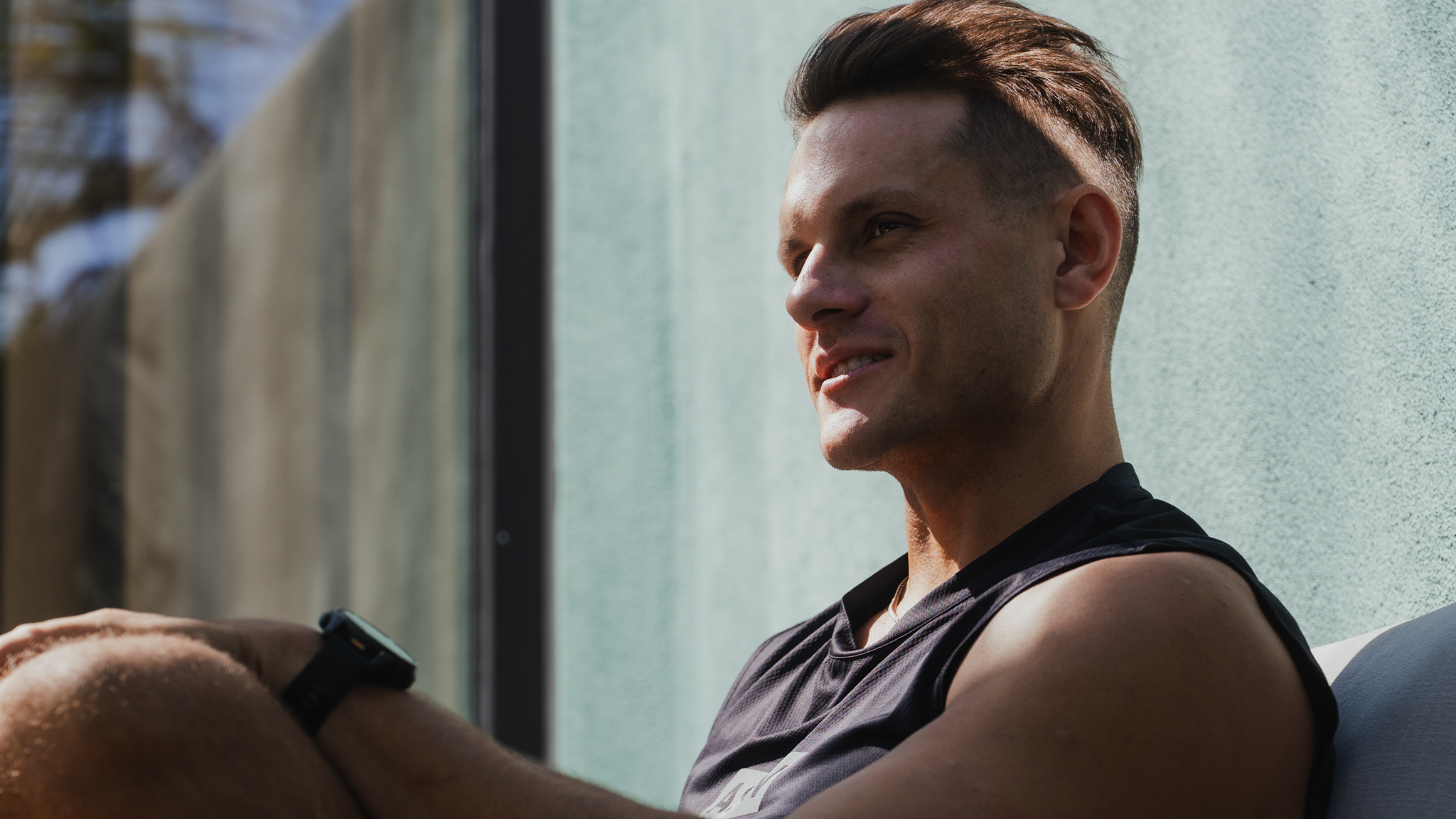
The athletes who come through LIVV Cardiff usually have the same story. They’ve been active their whole lives. Sport isn’t something they do, it’s who they are. And somewhere along the way, recovery took a hit and the body made that identity more difficult to maintain.
The knee that used to recover overnight now takes three days. The shoulder that’s been “manageable” for years suddenly isn’t. The morning stiffness that used to work itself out in twenty minutes now takes forty-five. They’re training the same way they always have, doing the right things, and getting worse results — not because they’ve stopped caring, but because the biological infrastructure underneath has changed in ways they’ve never addressed.
Here’s what most sports medicine doesn’t tell you: the problem usually isn’t the injury site. It’s the systemic environment that determines whether that site heals.
The Three Biological Systems Governing Athletic Longevity
Staying in the game for another twenty years isn’t about training smarter or finding the right PT. Those things matter, but they’re working on the surface of a deeper problem. Three interconnected systems determine whether an athlete’s body can sustain performance across decades. Most forty-plus athletes have never had any of them properly assessed.
1. Inflammatory Load
Chronic inflammation is the most underappreciated enemy of athletic longevity. It’s not the acute inflammation that follows a hard workout — that’s healthy and necessary. It’s the low-grade, persistent inflammation that accumulates over years of high output without adequate recovery infrastructure.
Elevated hs-CRP and IL-6 don’t just signal existing damage. They actively prevent repair. Collagen synthesis, tendon healing, cartilage regeneration — all of these processes are suppressed in a chronically inflamed systemic environment. The athlete who keeps flaring up isn’t just unlucky. They’re trying to heal in a body that’s fighting against itself.
Standard sports medicine addresses the flare. LIVV addresses what’s driving it.
2. Anabolic Hormones
Testosterone and IGF-1 aren’t just about muscle mass. They are the primary hormonal signals for tissue repair — tendons, ligaments, cartilage, bone density. When these decline, the body’s capacity to rebuild between training sessions declines with them.
After forty, testosterone and IGF-1 drop by roughly one percent per year without intervention. For an athlete training four or five days a week, that’s the difference between a body that builds back and one that slowly degrades despite consistent effort. The athlete feels it as “not recovering like I used to.” Labs show what’s actually happening.
3. Mitochondrial Recovery Capacity
NAD+ is the coenzyme that drives cellular energy production — in both muscle fibers and the repair mechanisms that follow exertion. NAD+ levels decline with age, and high training volumes accelerate that decline through oxidative stress.
When mitochondrial recovery is running below capacity, everything takes longer. Muscle soreness persists. Joint stiffness lingers. The body falls behind on maintenance. This is the biology behind what athletes describe as “not bouncing back.”
What a Longevity Protocol for Athletes Looks Like at LIVV Cardiff
Understanding the three systems is one thing. Addressing them coherently is another. Here’s what an evidence-based, athlete-specific longevity protocol addresses:
Inflammation
BPC-157BPC-157 is a peptide with strong evidence for tissue repair, anti-inflammation, and joint integrity. Unlike cortisone — which suppresses inflammation systemically and can weaken connective tissue with repeated use — BPC-157 works by promoting healing at the tissue level. It accelerates tendon and ligament repair, reduces joint inflammation, and supports the structural integrity that decades of sport demands.
TB-500 complements BPC-157 with systemic tissue regeneration effects — particularly for flexibility, connective tissue, and the recovery of injured or compromised structures.
Together, they address inflammation not as a symptom to suppress but as a healing environment to improve.
Hormonal Baseline
Testosterone optimization for the aging athlete isn’t about performance enhancement. It’s about restoring the anabolic signaling the body needs to repair what training breaks down. When free testosterone is in the bottom quartile for age — which is common and commonly missed on standard panels — the body simply cannot keep pace with the tissue demand of an active lifestyle.
IGF-1 restoration through GH peptides (CJC-1295 / Ipamorelin) extends this further: overnight tissue repair, lean muscle preservation, and the recovery window that makes training sustainable rather than degenerative.
Regenerative Interventions
PRP (Platelet-Rich Plasma) delivers the athlete’s own concentrated growth factors directly into compromised joint structures — cartilage, tendons, bursae. Unlike cortisone, which provides temporary relief by suppressing inflammation, PRP stimulates biological repair. For athletes with chronic joint issues in specific sites, it’s often the intervention that breaks the flare cycle rather than just interrupting it.
Hyperbaric Oxygen Therapy (HBOT) works at the systemic level: flooding tissues with oxygen to accelerate healing, reduce inflammatory burden, and improve mitochondrial efficiency. For athletes, it extends the recovery window between hard sessions and actively supports healing in sites that aren’t getting adequate circulation.
Recovery Infrastructure
Contrast therapy (cold plunge and infrared sauna used in sequence) is one of the most effective tools for driving circulation to chronic injury sites, reducing joint stiffness, and compressing recovery timelines between training sessions. For athletes who’ve accepted morning stiffness as inevitable, the right contrast protocol often eliminates it within weeks.
NAD+ infusions address the mitochondrial recovery gap — the cellular energy deficit that makes high-volume training feel harder and recover slower with every passing year.
The Twenty-Year Question
The athletes who stay in the game into their sixties and seventies aren’t physically different from the ones who don’t. They’ve addressed the underlying biology instead of just managing the symptoms of it.
Cortisone manages the flare. PRP changes the joint environment.
Ibuprofen manages the inflammation. Addressing the hormonal and mitochondrial drivers changes the tissue’s ability to repair.
PT manages the movement pattern. Resolving the systemic inflammation lets the movement actually heal.
The question for any athlete in their forties and fifties isn’t whether the body is changing — it is. The question is whether you’re working with those changes or just around them.
Twenty more years of doing what you love isn’t optimism. For most athletes we see, it’s a biology problem with a clear protocol.