

Blog
Manopause: Fact or Fiction? What Happens to Men’s Hormones in Midlife and Why It Matters More Than Most Men Realize
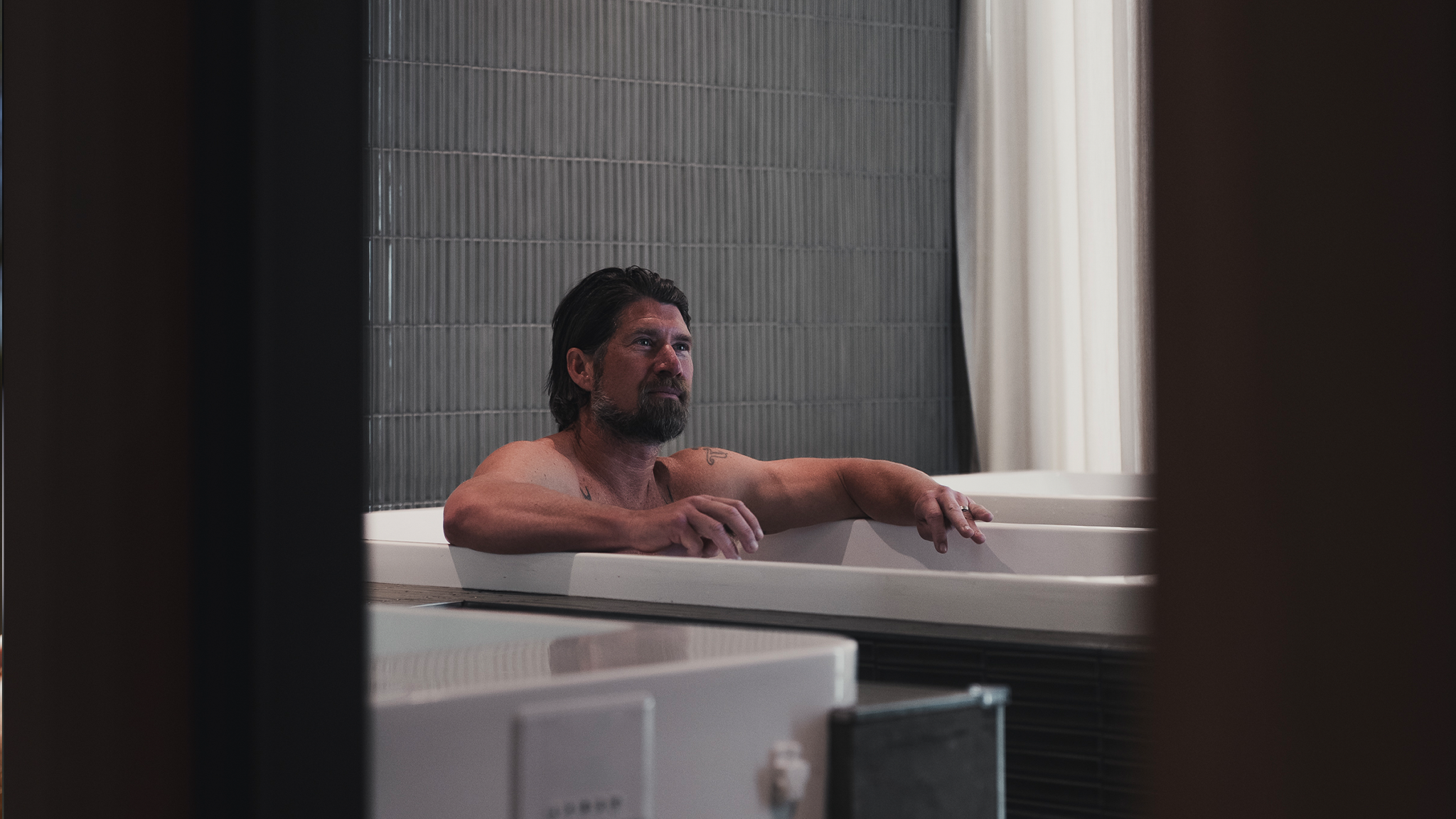
The term gets dismissed in locker rooms and laughed off at dinner parties. Manopause — the male equivalent of menopause — sounds like something invented to sell supplements. Men don’t have a menopause. There’s no dramatic hormonal cliff, no hot flashes, no defined end to reproductive function.
That part is true. What’s also true is that men experience a real, progressive hormonal decline in midlife that affects energy, cognition, body composition, mood, and performance in ways that are frequently attributed to stress, aging, or “just life.” And for most men, it goes undiagnosed. Not because it isn’t happening, but because it doesn’t arrive all at once.
What is Andropause?
The clinical term is andropause — sometimes called late-onset hypogonadism. Starting in the mid-thirties, testosterone levels in men decline by approximately 1–2% per year. By the time a man reaches fifty, he may have thirty to forty percent less free testosterone than he did at his peak. Most of this decline happens so gradually that it’s invisible year to year — until the effects become undeniable.
It doesn’t stop at testosterone. Several key hormonal systems shift simultaneously:
DHEA-S — a precursor hormone produced by the adrenal glands that supports testosterone production, energy, immune function, and cognitive performance — declines significantly after forty. Low DHEA-S is one of the most consistent findings in men experiencing midlife fatigue and performance decline.
Growth Hormone / IGF-1 — the overnight repair and recovery system. GH secretion drops substantially after thirty, affecting sleep quality, body composition, tissue repair capacity, and the anabolic recovery that keeps muscle on and fat off.
Estradiol balance — yes, men have estrogen too, and the ratio of testosterone to estradiol matters. As testosterone falls, this balance shifts — affecting mood, cognitive function, and cardiometabolic risk.
Cortisol rhythm — chronic high-output work combined with declining anabolic hormones often produces adrenal dysregulation: elevated evening cortisol, blunted morning cortisol awakening response, and the wired-but-tired pattern that feels like burnout but has a measurable hormonal basis.
What Andropause Feels Like — and Why Men Miss It
The insidious thing about andropause is that it mimics the expected symptoms of a demanding life. Men in their forties and fifties are often at peak career intensity — high stress, long hours, significant responsibility. When energy drops, when sleep gets worse, when the motivation to train or compete starts to flag — it’s easy to explain that as circumstance.
The common presentation includes:
Fatigue that isn’t explained by workload. Not tiredness from exertion — a baseline flatness that was never there before. Coffee gets you to functional; it used to get you to sharp.
Body composition shift. Muscle mass quietly decreasing despite consistent training. Fat redistributing toward the midsection despite no change in diet. The scale might not move, but the mirror tells a different story.
Cognitive drift. Slower word retrieval. Less fluency under pressure. The kind of performance in high-stakes meetings that used to be automatic now requires more effort.
Mood and drive. Reduced motivation, shorter fuse, less natural enthusiasm. Not depression — but a dimming of the quality that made a man feel like himself.
Sleep quality decline. Technically adequate hours, but not restorative. Light sleep, more waking, less deep recovery.
Libido and confidence. Often the most uncomfortable to name, but frequently the most noticeable — and the most responsive to intervention.
Most men tolerate these changes for years before seeking answers — if they ever do. Their annual physical returns normal results because standard panels aren’t designed to detect the difference between “within range” and “optimal.”
The Critical Ages
Research on male hormonal decline identifies two periods of accelerated change:
The late thirties to mid-forties — when testosterone decline becomes functionally significant for high-output men, and when GH axis suppression begins to visibly affect recovery and body composition. This is when the gap between effort and result starts to widen.
The mid-fifties and beyond — when cumulative hormonal depletion intersects with cardiovascular risk markers, cognitive aging indicators, and the accelerated biological aging that untreated andropause produces over time.
Early identification in the first window means the second window looks very different.
What LIVV Cardiff Looks For
Standard bloodwork will often show testosterone “within range” for a man at fifty. What it won’t show is whether that level is optimal for his physiology, his activity level, and the life he’s trying to sustain.
LIVV runs a comprehensive male hormone panel that goes beyond total testosterone to assess:
- Free and bioavailable testosterone (the fraction actually active in tissue)
- DHEA-S and adrenal function
- IGF-1 and growth hormone axis
- Estradiol and SHBG (sex hormone binding globulin)
- Cortisol rhythm (AM and PM)
- Thyroid (full panel, not just TSH)
- Metabolic and cardiovascular markers that shift with hormonal decline
- NAD+ and mitochondrial function markers
The picture that emerges is rarely one catastrophic number. It’s usually a constellation of suboptimal values that individually look manageable and together explain everything.
What Changes It
For men experiencing andropause, a targeted protocol addresses the specific hormonal gaps the panel reveals — not a generic stack, but a sequenced intervention built around the individual’s biology:
Testosterone Optimization (TRT) — to restore free testosterone to the upper-optimal range for age, recovering the cognitive drive, physical performance, and anabolic signaling that underpins everything else.
CJC-1295 / Ipamorelin — to restore the natural overnight GH pulse, supporting deep sleep, tissue repair, lean muscle preservation, and IGF-1 levels.
DHEA supplementation or targeted adrenal support — to address the precursor hormone depletion driving energy and immune decline.
NAD+ IV Infusions — to restore cellular energy infrastructure and address the mitochondrial aging that andropause accelerates.
Semax or nootropic peptide support — for men whose primary complaint is cognitive — word retrieval, processing speed, mental resilience under sustained pressure.
The men who address this seriously don’t describe it as treatment. They describe it as getting themselves back. The fatigue lifts. The body responds to training again. The edge in the boardroom returns. The version of themselves they’d quietly accepted was gone turns out to have just been hormonally blocked.
The Bottom Line
Manopause isn’t a joke or a marketing invention. It’s a real, progressive, measurable hormonal shift that affects nearly every dimension of male performance after forty — and goes unaddressed in the vast majority of men who experience it.
The reason isn’t a lack of solutions. It’s a lack of the right conversation. Most doctors aren’t looking for it. Most men aren’t naming it.
That’s a gap with a clear fix.