

Blog
Contrast Therapy Benefits: How Athletes and Biohackers Use Heat and Cold for Recovery and Longevity

Step out of a 120°F infrared sauna into a 45°F cold plunge. Your heart rate spikes. Your skin flushes. Your body floods with adrenaline and norepinephrine. You feel more alert than you have all week.
This is contrast therapy—the deliberate alternation between heat and cold exposure that athletes, biohackers, and longevity enthusiasts have adopted as a cornerstone recovery protocol. And the science behind it explains why so many people swear by the practice.
Contrast therapy benefits extend well beyond the immediate rush. From reducing muscle soreness and inflammation to stimulating mitochondrial function and potentially extending lifespan, the combination of heat and cold creates physiological responses that neither modality produces alone.
Here’s how it works, why it works, and how to structure your own contrast therapy practice.
What Is Contrast Therapy?
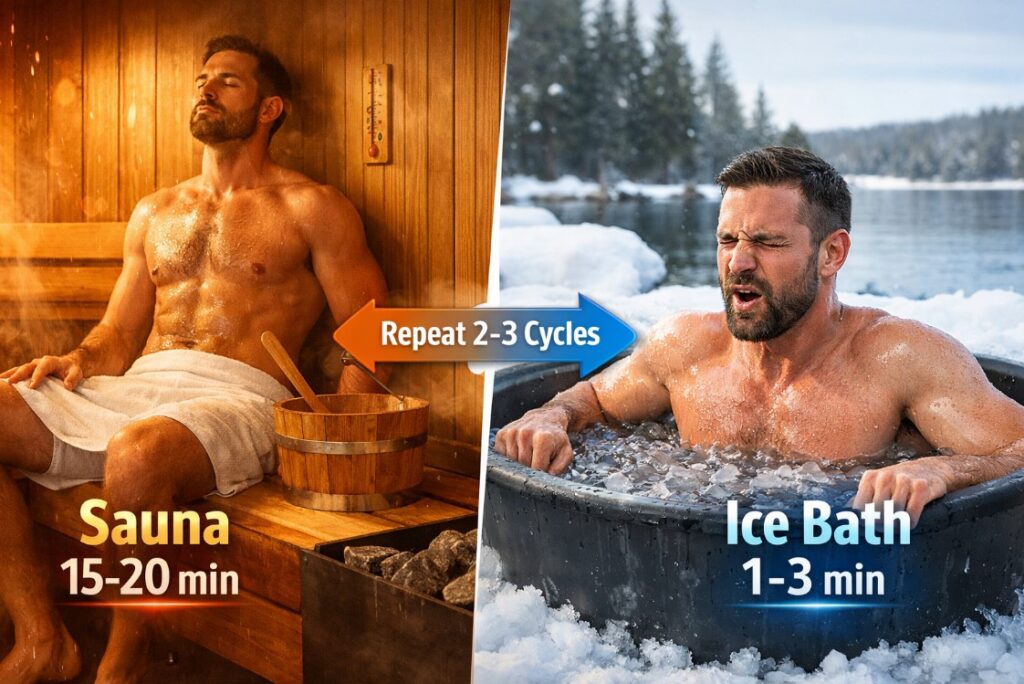
Contrast therapy involves alternating between hot and cold exposures in a structured pattern. Typically, this means 15-20 minutes in a sauna followed by 1-3 minutes in a cold plunge or ice bath, repeated 2-3 times per session.
The practice has roots in ancient bathing traditions. Roman thermae featured frigidarium (cold pools) alongside caldarium (hot rooms). Finnish sauna culture has long incorporated rolling in snow or jumping in cold lakes between sauna sessions. Japanese onsen traditions alternate between hot mineral baths and cool rinses.
Modern contrast therapy protocols have refined these practices with more precise temperature ranges and timing based on current research. The typical session structure:
- Heat phase: 110-130°F (43-54°C) for 15-20 minutes
- Cold phase: 40-60°F (4-15°C) for 1-3 minutes
- Repeat: 2-3 cycles per session
The temperatures and durations can be adjusted based on tolerance and goals. Beginners often start with shorter cold exposures and warmer water, progressively building tolerance over weeks.
The Physiology of Heat Exposure
When you enter a sauna, your body initiates a cascade of physiological responses designed to maintain core temperature and protect organs.
Cardiovascular Effects
Heat exposure causes blood vessels to dilate (vasodilation), particularly in the skin. This redirects blood flow to the periphery to release heat. Heart rate increases—sometimes to 100-150 beats per minute during a hot sauna session—to maintain cardiac output as blood redistributes.
Research tracking 2,315 Finnish men over 20 years found that those who used saunas 4-7 times per week had a 63% lower risk of sudden cardiac death compared to those who used saunas once weekly. The same study found all-cause mortality was 40% lower in frequent sauna users.
The cardiovascular effects of regular sauna use appear to condition the heart and blood vessels similarly to moderate aerobic exercise. Blood pressure decreases both acutely during sauna use and chronically with regular practice.
Heat Shock Proteins
Heat exposure triggers the production of heat shock proteins (HSPs)—specialized molecules that protect cells from stress damage. HSPs act as molecular chaperones, helping other proteins maintain their proper structure and function under stressful conditions.
When you heat your body, cells interpret this as a threat and upregulate HSP production as a protective response. These proteins then:
- Repair damaged or misfolded proteins
- Protect mitochondria from heat damage
- Support immune function
- Help cells recover from various stressors
The protective effect persists beyond the sauna session itself. Regular heat exposure creates a kind of cellular preconditioning that makes tissues more resistant to future stress—whether from exercise, illness, or environmental factors.
Vagus Nerve Activation
Heat also activates the parasympathetic nervous system through the vagus nerve. This shifts the body from a stress response (fight-or-flight) toward a relaxation response (rest-and-digest).
The result: lower cortisol levels, reduced anxiety, and improved heart rate variability. Many people report feeling deeply calm after sauna sessions—a neurological effect rather than just muscular relaxation.
Endorphin Release
The body releases endorphins during heat exposure, producing the pleasant, slightly euphoric state that sauna users recognize. This natural opioid response helps explain why regular sauna use correlates with lower rates of depression and improved mood.
The Physiology of Cold Exposure
Cold exposure triggers an opposite set of responses—vasoconstriction, sympathetic nervous system activation, and metabolic changes that complement heat exposure effects.
Vasoconstriction and Blood Flow
When you enter cold water, blood vessels in the skin and extremities constrict rapidly to preserve core temperature. Blood is shunted toward vital organs in the center of the body.
This vasoconstriction reduces swelling and inflammation in peripheral tissues. It’s why ice packs have long been standard treatment for acute injuries—the reduced blood flow limits inflammatory cell infiltration and tissue swelling.
Norepinephrine and Dopamine Release
Cold water immersion triggers a substantial release of catecholamines—specifically norepinephrine and dopamine. Studies show that immersion in 14°C water increases plasma norepinephrine by 530% and dopamine by 250%.
This neurochemical response explains the mental effects of cold exposure:
- Increased alertness and focus
- Elevated mood
- Reduced perception of pain
- Improved stress tolerance
The norepinephrine spike also has anti-inflammatory effects throughout the body. Regular cold exposure appears to modulate immune function and reduce chronic inflammatory markers.
Sympathetic Nervous System Training
Cold exposure activates the sympathetic nervous system—the same fight-or-flight response that kicks in during acute stress. While chronic sympathetic activation is harmful, controlled acute activation through cold exposure appears to build stress tolerance.
With regular practice, people show improved stress responses and faster recovery from stressful events. The cold plunge becomes a form of nervous system training, teaching the body to handle discomfort without panic.
Why Alternating Creates Hormetic Stress
The concept of hormesis explains why contrast therapy works. Hormesis describes the biological phenomenon where low doses of a stressor produce beneficial adaptations, while high doses of the same stressor cause harm.
Exercise is the classic example: moderate exercise stresses muscles and cardiovascular systems, triggering adaptations that make them stronger. Too much exercise without recovery causes breakdown and injury.
Heat and cold each represent hormetic stressors. But when combined in alternation, they create a more complete stress signal that drives adaptation across multiple systems.
The contrast itself—rapid transition from vasodilation to vasoconstriction—creates a pumping effect that moves blood and lymph through tissues. This accelerates waste removal and nutrient delivery to recovering muscles.
Each cycle of heat-to-cold and cold-to-heat trains the circulatory system to respond quickly to changing demands. Over time, vascular function improves, and the body becomes more metabolically flexible.
Mitochondrial Function and Metabolic Benefits
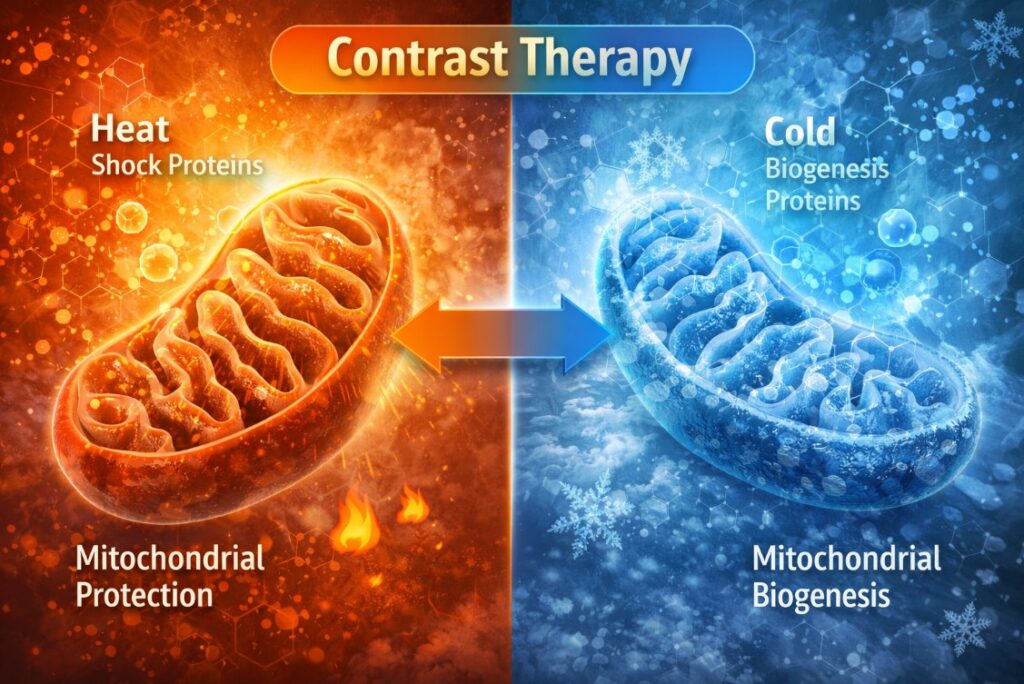
One reason contrast therapy appeals to those focused on longevity and energy optimization is its effect on mitochondria—the cellular organelles that produce ATP, the body’s energy currency.
Heat and Mitochondrial Protection
Heat shock proteins activated during sauna exposure protect mitochondria from damage. They maintain mitochondrial membrane integrity, support proper electron transport chain function, and help clear damaged mitochondria through a process called mitophagy.
Regular sauna users show markers of improved mitochondrial health and function. Since mitochondrial dysfunction underlies many chronic diseases and age-related decline, preserving mitochondrial health through regular heat exposure may have long-term benefits.
Cold and Mitochondrial Biogenesis
Cold exposure appears to stimulate mitochondrial biogenesis—the creation of new mitochondria. When cells are cold-stressed, they upregulate proteins involved in mitochondrial production, particularly in brown adipose tissue (brown fat).
Brown fat is metabolically active tissue that burns calories to generate heat. Cold exposure activates existing brown fat and may stimulate the conversion of white fat to beige fat (a process called “browning” that increases metabolic rate).
Athletes and biohackers interested in body composition often use cold exposure partly for these metabolic effects. More active brown fat means higher resting energy expenditure and improved glucose handling.
Combined Effects
When heat and cold are alternated, the body experiences both mitochondrial protection (from heat) and mitochondrial stimulation (from cold). This combination may produce adaptations that neither stressor creates alone—a synergistic effect on cellular energy systems.
Inflammation and Oxidative Stress Reduction
Chronic inflammation underlies many diseases and accelerates aging. Contrast therapy addresses inflammation through multiple mechanisms.
Acute Cold and Inflammation
A Cochrane systematic review of cold-water immersion found that cold water exposure after exercise significantly reduces muscle soreness at 24, 48, 72, and even 96 hours post-exercise. The analysis of 17 trials showed consistent benefits for reducing delayed-onset muscle soreness.
The mechanisms include:
- Reduced metabolic activity in inflamed tissues
- Decreased inflammatory cell migration
- Lowered levels of pro-inflammatory cytokines
- Direct analgesic (pain-numbing) effects
Heat and Detoxification
Sauna sessions promote sweating, which helps eliminate certain toxins and waste products through the skin. While the detoxification claims around saunas are sometimes overstated, the improved circulation and lymphatic flow do support the body’s natural elimination processes.
Heat exposure also appears to lower markers of systemic inflammation over time. Regular sauna users show reduced C-reactive protein (CRP) and other inflammatory markers compared to non-users.
The Contrast Effect
Alternating between heat and cold creates a vascular “pumping” action that moves inflammatory mediators out of tissues more efficiently than either modality alone. The repeated vasodilation-vasoconstriction cycles accelerate metabolic waste clearance while delivering fresh oxygenated blood and nutrients.
For athletes dealing with training-induced inflammation, or anyone managing joint pain or chronic inflammatory conditions, this accelerated clearance may explain why contrast therapy often feels more effective than cold or heat alone.
Longevity Benefits and Stress Resilience
The connection between contrast therapy and longevity centers on the concept of hormesis and improved stress resilience.
Sauna and Lifespan
The Finnish sauna studies represent some of the strongest evidence connecting heat exposure to longevity. Beyond cardiovascular mortality, frequent sauna use correlates with reduced rates of:
- Dementia and Alzheimer’s disease
- Respiratory diseases
- All-cause mortality
These associations remain after controlling for other lifestyle factors, suggesting the sauna exposure itself confers protective effects.
Cold and Mental Health
Regular cold water swimming has been associated with improvements in depression, anxiety, and overall mood. Case reports describe patients using structured cold exposure protocols to reduce or eliminate antidepressant medications.
The mechanisms likely involve the catecholamine release (norepinephrine, dopamine) and the nervous system training effects of regular cold exposure. Teaching the body to handle physical discomfort without panic may translate to improved handling of psychological stress.
Building Adaptive Capacity
From a longevity perspective, the goal isn’t just living longer—it’s maintaining function and reversing or slowing biological aging. Contrast therapy may contribute by building what researchers call “adaptive capacity”—the body’s ability to respond to and recover from various stressors.
High adaptive capacity is associated with healthy aging. People who maintain this capacity remain physically and cognitively functional despite the accumulating stresses of time. Regular hormetic stressors like contrast therapy may help preserve this adaptive capacity longer.
Optimizing Your Contrast Therapy Routine
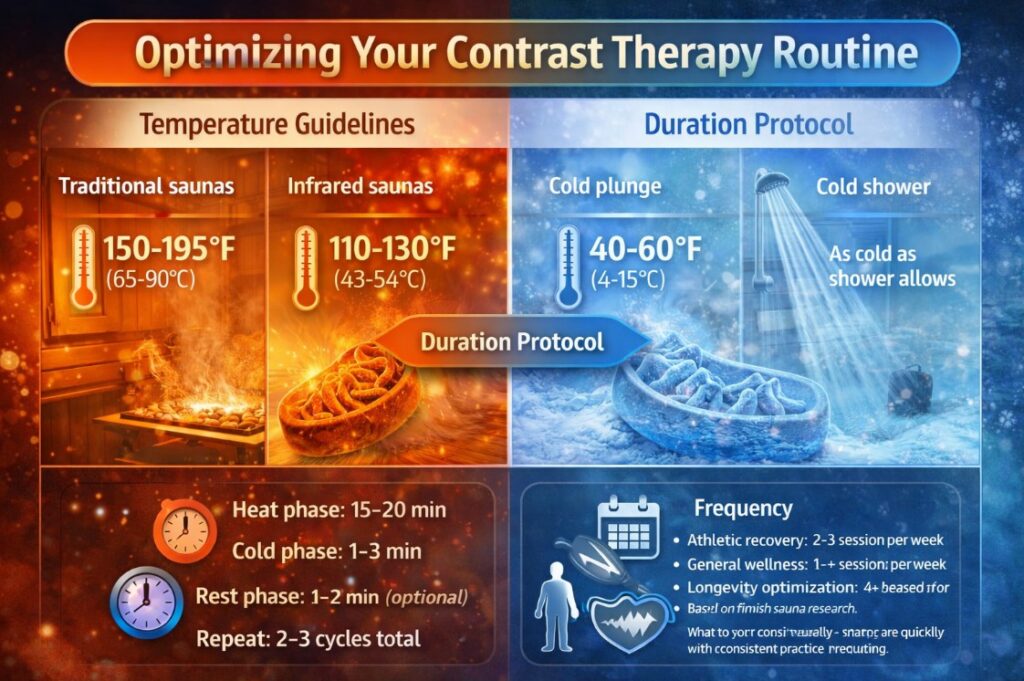
To get the benefits of contrast therapy, protocols need to be structured correctly.
Temperature Guidelines
For heat exposure:
- Traditional saunas: 150-195°F (65-90°C)
- Infrared saunas: 110-130°F (43-54°C)
Infrared saunas operate at lower temperatures but penetrate tissue more deeply, producing similar physiological effects with less surface heat. They’re often preferred by those who find traditional saunas uncomfortably hot.
For cold exposure:
- Cold plunges and ice baths: 40-60°F (4-15°C)
- Cold showers: As cold as your shower allows
The colder the water, the shorter the needed exposure time. Water at 50°F produces significant effects in 2-3 minutes. Water at 35°F may require only 30-60 seconds.
Duration Protocol
A standard contrast therapy session:
- Heat phase: 15-20 minutes in the sauna
- Cold phase: 1-3 minutes in the cold plunge
- Rest phase: 1-2 minutes at room temperature (optional)
- Repeat: 2-3 cycles total
Beginners should start conservatively—shorter heat exposure, brief cold immersion, fewer cycles. Tolerance builds quickly with consistent practice.
For athletes focused on recovery, longer cold phases (up to 5 minutes) may provide additional anti-inflammatory benefits. For those targeting mental clarity and mood, shorter, more intense cold exposures (colder water, 1-2 minutes) may maximize norepinephrine release.
Frequency
Optimal frequency depends on goals:
- Athletic recovery: 2-3 sessions per week, especially after hard training
- General wellness: 1-2 sessions per week
- Longevity optimization: 4+ sessions per week (based on Finnish sauna research)
More isn’t always better. Recovery between sessions allows adaptation. Some athletes find daily cold exposure blunts training adaptations—the anti-inflammatory effect may interfere with the inflammation-dependent signals that drive muscle growth. Timing cold exposure away from strength training sessions may mitigate this concern.
Breathing Considerations
Breathing patterns affect the cold exposure response. Slow, controlled breathing activates the parasympathetic nervous system and helps tolerate cold immersion without hyperventilation.
Some protocols incorporate specific breathing techniques—extended exhales, breath holds—to maximize the nervous system training effect. Others focus simply on maintaining calm, regular breathing throughout the cold phase.
Who Should (or Shouldn’t) Try Contrast Therapy
Contrast therapy is generally safe for healthy adults, but certain conditions require caution or avoidance.
Proceed with Caution
People with the following conditions should consult a healthcare provider before starting contrast therapy:
- Cardiovascular disease or high blood pressure
- Raynaud’s disease or other circulatory disorders
- History of stroke or heart attack
- Arrhythmias or irregular heartbeat
- Respiratory conditions like asthma
- Pregnancy
The rapid temperature changes stress the cardiovascular system. While this is beneficial for healthy individuals, it may pose risks for those with compromised cardiovascular function.
Start Gradually
Even healthy beginners should build tolerance progressively:
- Week 1: Warm sauna (lower end of temperature range), brief cold shower
- Week 2: Standard sauna temperature, 30-60 seconds cold plunge
- Week 3: Full temperature range, 1-2 minute cold immersion
- Week 4+: Full protocol with multiple cycles
This gradual approach allows the body to adapt and reduces the risk of adverse reactions.
Hydration and Recovery
Contrast therapy causes significant fluid loss through sweating. Proper hydration before and after sessions is mandatory. Electrolyte replacement may be necessary for longer or more intense sessions.
Some people combine contrast therapy with NAD+ IV therapy or other recovery modalities to maximize the regenerative effect. The cellular stress from contrast therapy may actually increase the uptake and utilization of nutrients delivered via IV.
Contrast Therapy at LIVV Cardiff
LIVV Cardiff offers contrast therapy as part of its longevity-focused membership program. The facility features:
Infrared Sauna
The infrared sauna at LIVV Cardiff operates at 110-130°F with low EMF (electromagnetic field) technology. Individual and couples sessions are available in a spa-like setting designed for relaxation and reflection.
Cold Plunge
The cold plunge pool maintains temperatures between 40-50°F—cold enough to trigger full physiological responses without the extreme discomfort of ice baths. The full-body design allows complete immersion for maximum benefit.
Guided Protocols
For members new to contrast therapy, the wellness team provides guidance on optimal protocols based on individual goals—whether athletic recovery, stress management, or longevity optimization. This expert support helps members get maximum benefit while avoiding common mistakes.
Integration with Other Services
Contrast therapy works synergistically with other LIVV services. Peptide therapy protocols may be timed around contrast sessions to maximize absorption and effect. IV vitamin therapy can address the increased nutrient demands created by regular thermal stress. The Cardiff ethos emphasizes this integrated approach to wellness.
Community
Beyond the physical facilities, LIVV Cardiff provides a community of athletes, biohackers, and wellness enthusiasts who share knowledge and motivation. Regular classes and workshops cover contrast therapy optimization, cold exposure techniques, and related recovery practices.
FAQs
What is contrast therapy?
Contrast therapy is the practice of alternating between heat exposure and cold exposure in a structured session. In most cases, that means moving between a sauna and a cold plunge for multiple rounds to support recovery, circulation, and stress adaptation.
What are the main benefits of contrast therapy?
Contrast therapy is commonly used to support muscle recovery, reduce soreness, improve circulation, help manage inflammation, and increase alertness after sessions. It is also often discussed in relation to stress resilience, metabolic health, and longevity-focused wellness routines.
Is contrast therapy better than just a sauna or cold plunge alone?
It depends on your goal. A sauna on its own may be better for relaxation and heat adaptation, while a cold plunge alone may be used more for soreness, alertness, and acute recovery. Contrast therapy combines both in one session, which is why many people use it for a more complete recovery routine.
How long should you stay in a sauna and cold plunge for contrast therapy?
A common structure is about 15 to 20 minutes in the sauna followed by 1 to 3 minutes in the cold plunge, repeated for 2 to 3 rounds. Beginners should start with shorter exposures and lower intensity until tolerance improves.
How many times a week should you do contrast therapy?
That depends on your goal, recovery capacity, and overall training load. Some people use it occasionally for general wellness, while others do it multiple times per week as part of a recovery or longevity-focused routine.
Who should avoid contrast therapy?
People with cardiovascular disease, blood pressure concerns, Raynaud’s disease, arrhythmias, certain respiratory issues, or pregnancy-related concerns should speak with a healthcare professional before starting. Anyone new to heat or cold exposure should begin gradually and avoid overly aggressive protocols.
Start Your Contrast Therapy Practice
Whether you’re an athlete seeking faster recovery, a professional looking for stress resilience, or someone interested in the longevity benefits of thermal stress, contrast therapy offers a time-tested protocol with modern scientific validation.
The combination of heat and cold creates physiological responses—cardiovascular conditioning, mitochondrial protection, inflammatory modulation, nervous system training—that support both performance and long-term health.
Ready to experience contrast therapy with expert guidance and purpose-built facilities? Apply for LIVV Cardiff membership to access an infrared sauna, a cold plunge, and a community committed to optimization.
For questions about contrast therapy or LIVV Natural’s services, contact us at 760-454-4600 or LIVV@LIVVNATURAL.COM.