

Blog
Thymosin Alpha 1 and Autoimmune Diseases: Can It Boost Your Immune System?

Have you ever wondered about the connection between Thymosin Alpha 1 (Ta1) and autoimmune diseases?
Autoimmune diseases affect around 50 million Americans. As this condition becomes more prevalent, many people seek alternative treatments. Could Thymosin Alpha 1 be the answer?
Ta1 is a natural immune modulator. It balances the immune system and regulates inflammation. Besides the immune benefits, it offers additional wellness effects, too.
This blog explores the scientific evidence of Ta1, its practical uses and benefits, and ideal candidates.
What is Thymosin Alpha 1?
Thymosin Alpha 1 is a natural peptide hormone found in the body. It plays an important role in modern peptide therapy and was first identified by Dr. Allan Goldstein in 1966.
Ta1 is made up of 26 amino acids and helps regulate the immune response by supporting cytokine production and strengthening the body’s defenses.
The thymus gland, where Ta1 comes from, helps make and train T-cells, which are the defenders of the immune system.
As you age, your thymus gland gets smaller, which weakens immune function and raises the risk of autoimmune issues. This is where Ta1 becomes more important.
Today, the Ta1 peptide is also made synthetically to ensure purity and precise dosing. It’s used in many countries to support treatments for diseases like cancer and autoimmune conditions.
Even though studies show Ta1 to be safe and effective, the FDA has not yet approved it.
Still, peptide therapy continues to grow in popularity. Ongoing research shows Ta1 could be a powerful immune modulator with promising uses.
How Thymosin Alpha 1 balances the immune system

Thymosin Alpha 1 keeps your immune system balanced in various ways.
T-cell support
Ta1 boosts the development and function of T-cells (a type of white blood cell). It helps immature T-cells mature into active defenders that fight infections.
Cytokine regulation
Cytokines are chemical messengers that help immune cells communicate. Ta1 increases helpful, anti-inflammatory cytokines and reduces harmful, pro-inflammatory ones. This helps your immune system react when needed without overreacting.
Natural killer (NK) cell and dendritic cell optimization
Ta1 improves NK cell activity, which is essential for targeting infected or abnormal cells. It also strengthens dendritic cells, which activate and guide other immune responses. Together, it helps control infections and may reduce the risk of autoimmune problems.
Toll-like receptor activation
Toll-like receptors are proteins that detect harmful microbes. Ta1 activates these pathways, improving your body’s first-line defense against infections and helping connect the innate immune system to the adaptive system.
Balancing innate and adaptive immunity
The innate immune system responds quickly to germs, while the adaptive immune system takes longer but is more targeted. Ta1 makes innate defenses work better and supports the adaptive system’s ability to fight infections and even cancers.
Thymosin Alpha 1 and autoimmune diseases
Autoimmune diseases happen when your immune system mistakenly attacks healthy cells, leading to inflammation and tissue damage. Ta1 helps activate toll-like receptor pathways, improving T-cell and NK cell function and balancing cytokine activity.
Using Thymosin Alpha 1 for autoimmune diseases doesn’t cure them directly, but the peptide helps by regulating and balancing your immune system.
Rheumatoid arthritis
Rheumatoid arthritis causes painful swelling and joint inflammation. Studies show Ta1 may reduce the severity of symptoms by calming overactive immune responses.
Inflammatory bowel disease (IBD)
Conditions like Crohn’s disease involve chronic inflammation in the digestive tract. Animal studies show Ta1 may reduce inflammation, support immune balance, and help intestinal stem cells keep the gut lining healthy.
Multiple sclerosis (MS)
MS occurs when the immune system attacks the brain and spinal cord. Ta1 supports proper immune function by regulating defective monocytes and boosting protective lymphocytes. It also reduces inflammation in the central nervous system and may protect nerve cells.
Lupus
Lupus can damage many organs and tissues. Early research shows Ta1 may help regulate immune activity and ease symptoms, but more studies are needed to confirm the right dosage and effectiveness.
Psoriasis
Psoriasis happens when the immune system targets skin cells. While there are no clinical studies yet on Ta1 for psoriasis, its immune-balancing and anti-inflammatory effects suggest it could be useful in reducing skin inflammation.
Hashimoto’s thyroiditis
This condition damages the thyroid gland and lowers hormone production. Studies suggest Ta1 may help lower harmful antibodies and improve the body’s resistance to infections.
Other health benefits
Beyond autoimmune support, the benefits of Thymosin Alpha 1 show promise in many other areas of health.
Anti-aging and longevity benefits
Ta1 helps balance immune function and reduce chronic inflammation that increases with age. It also supports mitochondrial health, making it a great pick as a longevity and anti-aging peptide.
Cancer support benefits
Ta1 enhances immune surveillance by activating NK cells and cytotoxic T-cells, which target tumor cells. When used alongside chemotherapy or radiation, it may reduce treatment toxicity and improve outcomes.
Viral infection benefits
By activating toll-like receptors and boosting antiviral cytokines, Ta1 helps limit viral replication, speeds up recovery, and improves viral clearance.
Wound healing and tissue repair benefits
Ta1 promotes endothelial cell migration and new blood vessel growth, two important steps in wound healing and tissue repair. Studies suggest Thymosin Alpha 1 can accelerate recovery.
Metabolic health benefits
Ta1 may help manage chronic inflammation, which is linked to metabolic issues and weight gain. Thymosin Alpha 1 and weight loss are not directly tied, but the peptide’s immune-balancing effects could support better overall metabolic health.
Brain and cognitive function benefits
Ta1 may improve cognition, memory, and brain repair. It stimulates new nerve growth, releases protective factors, and reduces neuroinflammation.
Heart and vascular health benefits
Due to its antioxidant and anti-inflammatory properties, Ta1 helps protect blood vessels, lowers arterial inflammation, and may reduce damage after heart attacks while helping with recovery.
Clinical research and scientific evidence
Thymosin Alpha 1 has been studied in many controlled clinical studies. Research shows it may have benefits for infectious diseases, cancer, and autoimmune conditions. Scientific evidence points to its role as a safe and effective immune modulator.
Here are some key findings:
- Sepsis: A controlled trial found a 9% reduction in 28-day mortality in patients treated with Ta1.
- Chronic hepatitis B: When combined with interferon-alpha, patients showed higher viral clearance rates and improved liver enzyme levels.
- Cancer: In hepatocellular carcinoma (liver cancer), Ta1 used alongside standard treatments improved overall outcomes.
Comparative studies
Ta1 may boost the effectiveness of traditional therapies like chemotherapy, antiviral drugs, and immunotherapy. Long-term use appears safe, with few serious side effects reported.
International use
Ta1 is approved in several countries for treating hepatitis B and has been authorized for emergency use in certain regions. Ongoing studies are exploring its potential in autoimmune diseases, cancer therapies, and neuroprotection.
Treatment protocols and administration methods
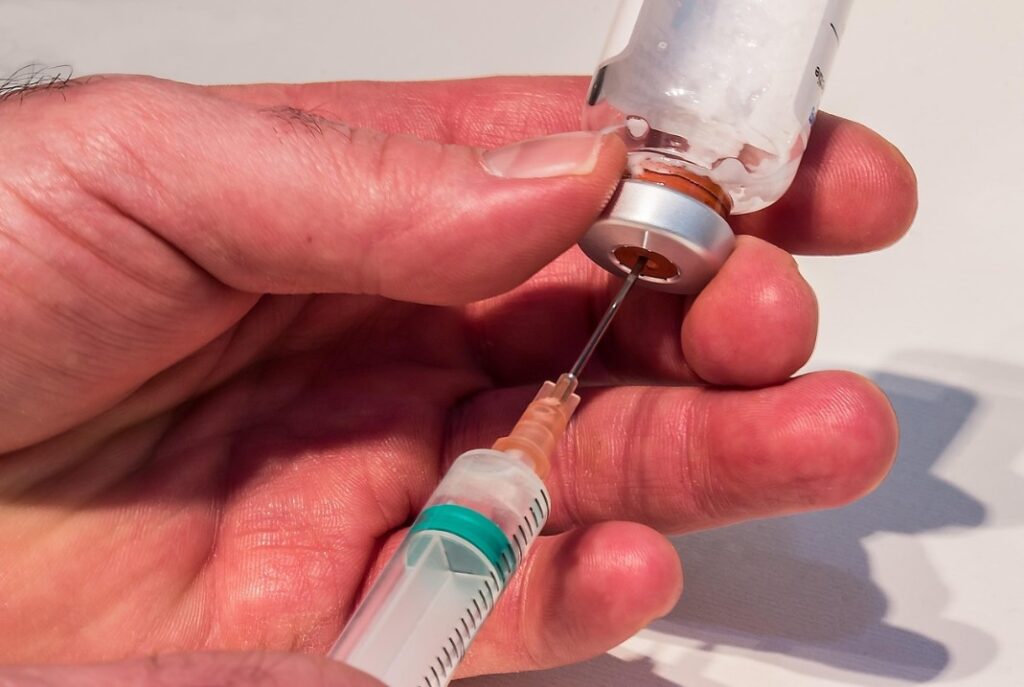
The main Thymosin Alpha 1 peptide therapy administration method is subcutaneous injection. The sites of injection include the abdomen, thigh, and flank.
Single doses range from 0.8–6.4 mg, and multiple-dose treatments range from 1.6–16 mg, depending on whether it’s used for general immune support or autoimmune treatment. It is generally safe and well-tolerated.
Patients typically administer the dose 2–3 times weekly or longer for acute illness or viral recovery. A Thymosin Alpha 1 treatment cycle may range from 4–8 weeks, with cycles repeated 2–3 times a year.
Combining Ta1 with conventional treatments may enhance the immune modulation synergistically.
Monitoring
Regular evaluation and biomarker tracking help assess immune response and disease activity. Blood tests help personalize the dosage of your Thymosin Alpha 1 treatment.
Side effects and contraindications
Ta1 is well-tolerated with mild injection site irritation. Rare systemic effects may include a mild fever or fatigue. Contraindications include hypersensitivity to peptides and immunosuppressive individuals.
Cost considerations
The cost and insurance coverage vary depending on the region and healthcare system. Ta1 is usually an out-of-pocket expense.
Who is a good candidate for Thymosin Alpha 1 therapy?
Thymosin Alpha 1 peptide therapy may benefit certain groups, but it’s not for everyone. Careful screening is essential before starting treatment.
Potential candidates
Here are the best Thymosin Alpha 1 candidates:
- People with moderate autoimmune conditions: Ta1 may help regulate immune activity without suppressing it.
- Older adults: People experiencing signs of immune decline, like frequent infections or slower recovery, may respond well.
- Patients with chronic infections or immune imbalance: Ta1 can support immune resilience and balance.
Who should avoid Ta1?
These individuals should avoid taking the Thymosin Alpha 1 peptide:
- Individuals with hypersensitivity to peptides: Allergic reactions are possible in this group.
- Patients under strong immunosuppression: This includes post-transplant therapy or high dose steroids.
- Severely debilitated patients: Ta1 may not provide meaningful benefits in advanced illness without stronger supportive care.
Screening and considerations
Before beginning therapy, patients should undergo some checks to determine their peptide therapy eligibility:
- Comprehensive immune testing: To assess immune cell counts, cytokine levels, and antibody status.
- Evaluation of comorbidities: This includes diabetes, cancer, or chronic infections.
- Lifestyle review: Factors like nutrition, stress, sleep, and exercise affect how well Ta1 works.
Treatment expectations
Immune modulation with Ta1 is gradual. Noticeable benefits may take weeks to months, depending on your condition and overall health. Setting realistic expectations is an important part of therapy.
FAQs about Thymosin Alpha 1
Got some unanswered questions about the Thymosin Alpha 1 peptide? Check out our expert answers to the most common queries below.
What is Thymosin Alpha 1?
Thymosin Alpha 1 is a naturally occurring peptide that helps regulate and strengthen the immune system. It’s also made synthetically for medical use to ensure purity and accuracy in dosing.
What are the main benefits of Thymosin Alpha 1?
The main Thymosin Alpha 1 benefits include boosting T-cell function, balancing cytokine activity, supporting natural killer cells, and reducing inflammation. It’s being studied for autoimmune diseases, cancer support, viral infections, and overall immune health.
Can Thymosin Alpha 1 help with autoimmune diseases?
Yes, research suggests Ta1 can help modulate the immune system in conditions like rheumatoid arthritis, multiple sclerosis, lupus, and Hashimoto’s thyroiditis. While it doesn’t cure these conditions, it may reduce symptoms and improve immune balance.
Is Thymosin Alpha 1 safe?
Clinical studies show Ta1 is generally well-tolerated with minimal side effects. Dosing is usually given through subcutaneous injection, under the supervision of a medical professional.
Who should consider Thymosin Alpha 1?
People with autoimmune conditions, chronic infections, or age-related immune decline may be good candidates. However, treatment should always be personalized after a full medical evaluation.
Your immune system matters
Thymosin Alpha 1 shows real promise in supporting the immune system and helping manage autoimmune conditions.
The benefits of Thymosin Alpha 1 include balancing immunity, lowering inflammation, and improving overall resilience. Research is still growing, but the results so far are exciting.
Because every case is unique, it’s important to work with a qualified medical team for the best results.
At Livv Natural, we specialize in peptide therapy and personalized treatment plans, with options available in-clinic and at home. Book a consultation with us today to see how Ta1 could support your health.