

Blog
Hydrafacial Benefits, Treatment Steps, and Aftercare
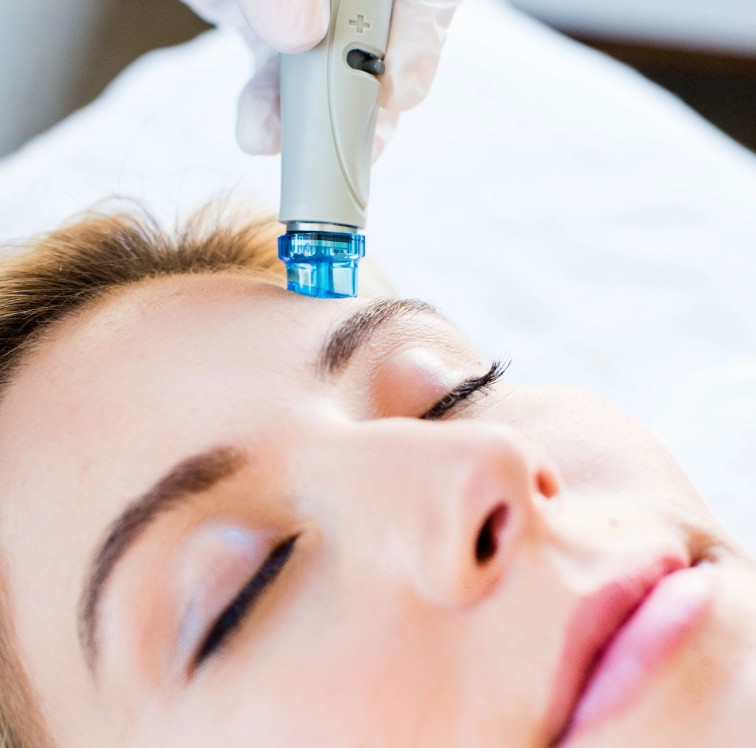
Hydrafacial benefits get a lot of attention for a simple reason: this treatment can leave skin looking fresher, cleaner, and more hydrated without the recovery time people often expect from stronger resurfacing procedures. For many patients, that makes it an easy starting point. It is not a facelift, and it will not replace every other aesthetic treatment, but it can be a very good fit for dull skin, clogged pores, rough texture, dehydration, and the first visible signs of aging.
A lot of facials feel nice for an hour and then fade into memory by the next day. A Hydrafacial tends to hold attention because it combines cleansing, exfoliation, extraction, and serum infusion in one visit, with results that many people notice right away. The published research on hydradermabrasion-style treatment is still fairly limited, but peer-reviewed studies have reported visible and even microscopic skin changes after treatment, and a completed registered trial has also looked at skin quality, hydration, and barrier measures after a series of three Hydrafacial sessions. a randomized controlled trial on hydradermabrasion, a 2024 imaging study, and a completed registered Hydrafacial trial point in the same general direction, even though this is still a smaller evidence base than what exists for long-established dermatology procedures.
What Is a Hydrafacial?
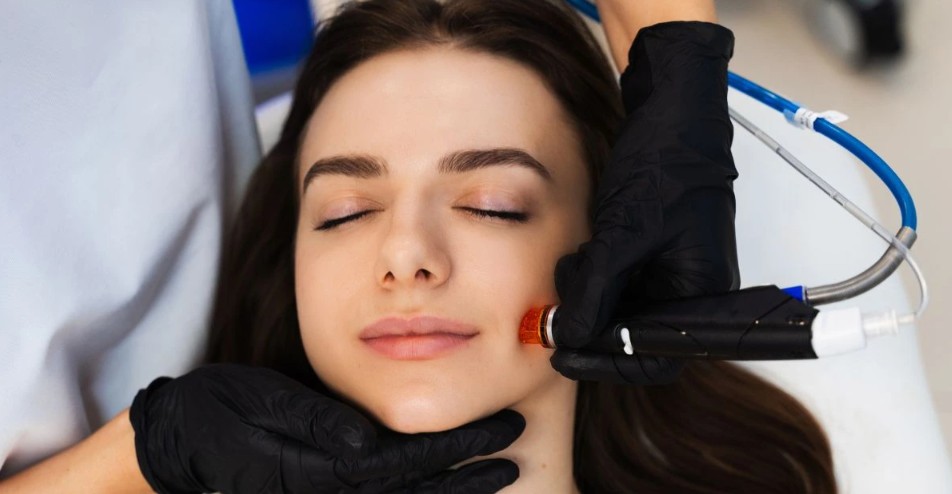
A Hydrafacial is a noninvasive facial treatment that moves through several steps in a set order. The skin is cleansed, exfoliated, treated with a light peel, cleared out with suction-based extraction, and then infused with hydrating serums. In plain English, it is a facial that tries to do more than just coat the surface of the skin.
The device uses what HydraFacial calls Vortex-Fusion technology. Patients do not need to know the trademarked name to understand what is happening: a handpiece glides over the skin, loosens debris, lifts out buildup from the pores, and delivers fluid at the same time. That is one reason the treatment feels different from a standard spa facial. It is less about massage and more about controlled exfoliation plus hydration.
It also sits in a different lane from deeper peels, aggressive lasers, or RF microneedling. A traditional facial may focus more on cleansing, masks, and manual extractions. A stronger resurfacing treatment may aim for bigger change, but it usually comes with more downtime, more heat, or more post-treatment care. A Hydrafacial falls in the middle: more active than a basic facial, much gentler than treatments that leave you peeling for days.
How Hydrafacials Work
A Hydrafacial is easiest to picture when you break it into stages.
Some providers start with optional lymphatic drainage or sculpting. That step is meant to move fluid and help with puffiness, especially in patients who feel swollen in the cheeks or jawline. Not every appointment includes it, but it is common in fuller protocols.
Next comes cleansing. This clears surface oil, sunscreen, makeup residue, and the buildup that can dull the skin. After that, the exfoliation and light peel step loosens dead surface cells and softens the material sitting in the pores. The peel used in a Hydrafacial is usually much lighter than the deeper chemical peels people picture when they think of visible peeling at home for several days.
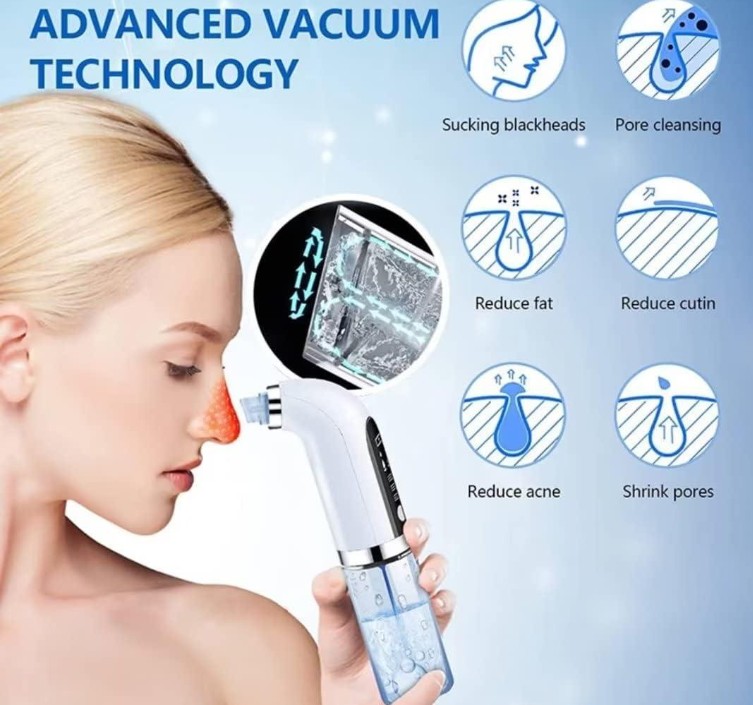
Then comes extraction. This is the part many people remember most. Instead of pressing on the skin by hand, the device uses suction to pull out debris from congested pores. For patients who hate manual extractions, this is often the moment that makes the treatment feel worth booking.
Once the skin has been cleared out, the provider moves into serum infusion. This is where hydration and treatment-specific boosters come in. Depending on the visit, that may mean formulas aimed at dryness, brightness, texture, blemish-prone skin, or early aging concerns. Some protocols also add LED light therapy at the end.
LIVV’s current Hydrafacial page describes a platinum-style flow that may include sculpting, cleansing, exfoliation, extraction, custom boosters, LED therapy, and hydration, with treatment time usually landing in the 30 to 60 minute range.
Hydrafacial Benefits You Can Expect
The biggest draw is usually the finish of the skin right after treatment. Patients often describe that look as cleaner, smoother, and more awake. Makeup tends to go on more evenly. Skin may feel less rough to the touch. If dehydration has been making the face look flat or tired, the added moisture can make a visible difference.
That does not mean every benefit is dramatic. A Hydrafacial works best when expectations are realistic. It can help skin look more hydrated. It can soften the look of congestion and make pores appear less obvious for a period of time. It can help with rough texture and leave the skin feeling more polished. It may also soften the look of very fine lines that are made worse by dryness.
This is also why Hydrafacials are often booked before an event. They tend to give a cleaner, smoother surface without the downtime that comes with more aggressive options. In the older randomized trial on hydradermabrasion, treated skin showed decreases in fine lines, pore size, and hyperpigmentation, along with histologic changes in the epidermis and dermis.
Another point that matters: the treatment is not only about how the skin looks under bright bathroom lighting that same afternoon. In the 2024 imaging study, investigators saw short-term changes in the stratum corneum and epidermal appearance after hydradermabrasion, which adds some objective support to what patients often notice in the mirror.
Which Skin Concerns Can a Hydrafacial Help Address?
A Hydrafacial usually makes the most sense for skin that looks dull, feels rough, gets congested easily, or swings toward dehydration. It can also be a good choice for people who want a regular reset but do not want a treatment that takes over their week.
For Hydrafacial for dry skin questions, the answer is often yes, with one caveat: dry skin and impaired barrier skin are not always the same thing. If the skin is dry but otherwise calm, a Hydrafacial may help it look more comfortable and less dull. If the barrier is inflamed, stinging, or actively irritated, it may be better to wait.
For Hydrafacial for acne-prone skin, the fit depends on what is going on. If the main issue is oil, blackheads, congestion, and post-breakout roughness, the treatment can be useful. If someone has a flare with a lot of inflamed lesions, pain, or a very reactive barrier, that visit may need to be timed more carefully.
It can also work well for uneven-looking tone, post-summer skin that feels dry and congested, and early aging concerns that show up first as a texture change rather than deeper laxity. If sun exposure is a recurring issue for you, LIVV’s guide on repairing skin after summer sun damage pairs naturally with a maintenance facial plan.
What a Hydrafacial Does Not Replace
This is where good treatment planning matters. A Hydrafacial can freshen the skin, but it does not lift sagging tissue. It does not permanently tighten lax skin. It does not take the place of injectables when volume loss or muscle movement is the main issue.
It also does not replace deeper resurfacing when the goal is more visible work on acne scars, laxity, or etched lines. If someone wants stronger remodeling, Morpheus8 may make more sense.
If the main concern is redness, brown spots, or sun-related pigment, IPL may be the better lane.
If the issue is mild skin laxity and you want a no-needle skin tightening option, Forma may fit better.
That does not make Hydrafacial the “lightweight” option. It just means it has a clear place. For many patients, it works best as a maintenance treatment, a pre-event treatment, or the first step before deciding whether a stronger procedure is worth it.
Customizing a Hydrafacial With Boosters
Boosters are add-on formulas chosen for the skin in front of the provider that day. This is where the appointment shifts from a standard protocol to a more custom one.
A patient with dry, tight skin may need more hydration-focused ingredients. A patient whose main concern is dull tone may lean toward brightening formulas. Someone with redness-prone skin may do better with a calmer approach, while someone dealing with congestion may want a plan that puts pore clearing first.
This part of the visit should stay grounded. A booster can tilt the treatment toward one goal, but it is not magic in a vial. The best choice depends on what the skin is doing right now, what the patient uses at home, how reactive the barrier is, and whether there are bigger treatment goals on the horizon.
What to Expect Before, During, and After Treatment
Before your appointment, it helps to arrive with clean skin if you can. Your provider should ask about retinoids, exfoliating acids, recent waxing, recent sun exposure, and any history of strong reactions. If your skin is irritated, peeling, or sunburned, say so before the treatment starts.
During the appointment, most people find the treatment comfortable. The sensation is usually described as cool, wet, lightly scratchy, or vacuum-like in certain areas, especially around the nose and chin, where congestion tends to sit. It is not the kind of procedure that usually sends people home to hide for the rest of the day.
Afterward, skin often looks brighter and feels cleaner right away. Mild redness or temporary tightness can happen, especially if the skin is reactive to exfoliation. LIVV’s current page advises avoiding heavy makeup and intense sun exposure for 24 hours after treatment, and avoiding harsh exfoliation, waxing, and acid or Retin-A products for a longer window afterward. If the sun is one of your ongoing triggers, LIVV also has a useful guide on how to protect your skin.
Hydrafacial Side Effects and Who Should Wait
Hydrafacial side effects are usually mild. Temporary redness, tightness, and sensitivity are the most common complaints. For many patients, that fades the same day.
That said, this is not a treatment to force on angry skin. If you have an active rash, a sunburn, a badly irritated barrier, or a flare-prone skin condition that is active that week, it may be better to postpone. LIVV’s current article also notes that severe rosacea and active rashes are reasons to pause and get cleared first.
If LED is part of the appointment, the research supporting it comes from the broader LED literature, not from Hydrafacial alone. A systematic review of randomized controlled trials in dermatology found that LED therapy may help acne vulgaris and acute wound healing, with mild side effects reported in the studies reviewed. That makes LED a reasonable add-on in the right patient, but it should still be chosen on a case-by-case basis.
How Often to Get a Hydrafacial
How often to get a Hydrafacial depends on what you want from it.
If you want a one-time glow before travel, photos, or an event, a single visit may be enough. If your skin gets congested easily or you are trying to keep texture and dryness under better control, monthly treatment is a common schedule. LIVV’s current page recommends monthly visits for longer-lasting results and notes that some patients may start with a tighter early series.
Season matters too. Skin that feels fine in spring may get rougher, drier, or more congested after a summer of sunscreen, sweat, and sun exposure. Winter can also change the picture. A smart schedule usually tracks with what your skin is doing, not with a rigid calendar rule.
FAQ
What is a Hydrafacial and how does it work?
A Hydrafacial is a noninvasive facial treatment that combines cleansing, exfoliation, light peel application, suction-based extraction, and serum infusion in one session. It is designed to clear surface buildup, loosen debris in the pores, and hydrate the skin at the same time, which is why many patients notice a smoother, fresher look right after treatment.
What are the main benefits of a Hydrafacial?
The main benefits usually include smoother texture, better hydration, a brighter overall look, less visible congestion, and skin that feels cleaner right away. Your blog also positions it as a useful treatment for dull skin, rough texture, clogged pores, dehydration, and early visible aging without the recovery time people often expect from more aggressive resurfacing procedures.
Is a Hydrafacial good for acne-prone or dry skin?
It can be a good fit for both, depending on what is happening in the skin that day. For acne-prone skin, it tends to make the most sense when the issue is congestion, oil, blackheads, and post-breakout roughness rather than a highly inflamed flare. For dry skin, it can help when the skin is dehydrated and dull, but irritated or barrier-damaged skin may need to calm down first. That matches common search intent around Hydrafacial for acne and dry skin.
How long do Hydrafacial results last?
Many people notice the immediate “glow” right after treatment, but the visible smoothness and hydration are not permanent. In practice, results are usually maintained best with repeat treatments rather than a one-time session, which is why Hydrafacial is often used as a maintenance facial or a pre-event treatment rather than a replacement for deeper corrective procedures.
How often should you get a Hydrafacial?
A monthly schedule is the most common recommendation for maintenance, although some patients start with a closer series depending on congestion, dryness, or treatment goals. That lines up with your blog and with common SERP guidance that usually points to about every 4 to 6 weeks for ongoing results.
Does a Hydrafacial have downtime or side effects?
Hydrafacial is generally chosen because downtime is minimal. Most side effects are mild and temporary, such as redness, tightness, or short-lived sensitivity after exfoliation. Your blog also notes that people with active rashes, severe rosacea flares, sunburn, or an irritated skin barrier may need to wait until the skin is calmer before treatment.
Can a Hydrafacial replace lasers, skin tightening, or injectables?
Not really. A Hydrafacial can improve surface quality, hydration, and congestion, but it does not lift sagging tissue, replace lost volume, or do the deeper remodeling work of stronger procedures. Your blog clearly positions it as a gentler maintenance or entry-point treatment, while IPL, Forma, Morpheus8, and injectables address different concerns.
Where to Book a Hydrafacial at LIVV
Hydrafacials are available at LIVV Cardiff. If you are not sure whether a Hydrafacial is the right first move, that is exactly the kind of question to sort out before booking a full series. The right plan depends on your skin that day, your tolerance for downtime, and whether your main goal is hydration, pore clearing, pigment work, tightening, or something more intensive. LIVV’s live site currently lists Hydrafacial booking through the Cardiff location.
If your skin has been looking dull, dehydrated, or congested, a Hydrafacial can be a smart place to start. It gives many patients a visible payoff without asking for a long recovery window, and it can also help clarify whether you need regular maintenance or a different treatment altogether.