

Blog
Cerebrolysin: A Nootropic Peptide for Brain Repair – Does It Work?

The human brain possesses an incredible ability to heal and adapt to new situations. This capacity for change allows us to learn new skills and recover from injuries. Sometimes the brain needs extra support to repair damage or fight degeneration.
Scientists and doctors have looked for ways to boost this natural healing process for decades. One compound has gained significant attention in Europe and Asia for its potential to help. It is called Cerebrolysin.
This unique mixture of peptides is used to treat serious neurological conditions. Many people are asking if it can truly help repair the brain. You might be looking for answers after a stroke or a traumatic brain injury.
Perhaps you are concerned about memory loss or dementia in a loved one. Understanding the science behind this treatment is the first step. We will look at the evidence regarding its ability to protect and repair brain cells.
You will learn how it works inside the body to support recovery. We will examine the results from major clinical trials involving thousands of patients. This guide explains the safety profile and how the medication is administered.
You will get the facts needed to make informed decisions about brain health.
Understanding the Basics of Brain Repair
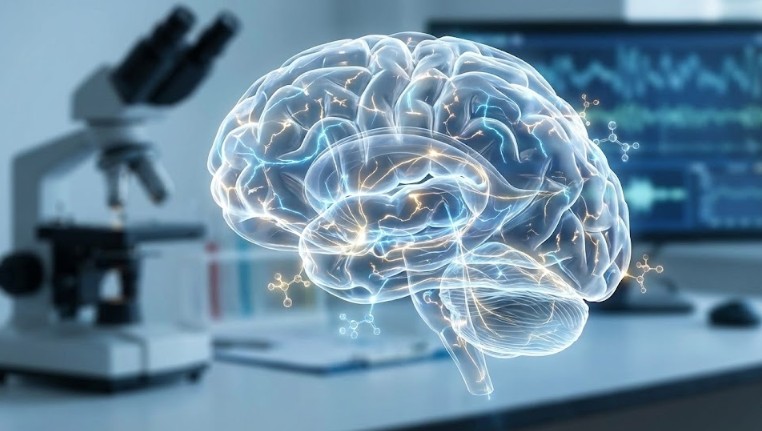
The brain is not a static organ that remains the same throughout life. It is constantly changing and reorganizing itself based on your experiences. This process is known as neuroplasticity.
It allows healthy parts of the brain to take over functions from damaged areas. Neuroplasticity is the foundation of recovery after any neurological injury. Your brain cells communicate through complex networks of connections.
Injuries can disrupt these networks and cause cells to die. The body has natural defense mechanisms to stop this damage. It produces special proteins called neurotrophic factors to keep neurons alive.
These factors act like fertilizer for your brain cells. They help neurons grow and form new connections with each other. Levels of these natural factors can drop when the brain is sick or injured.
Low levels make it harder for the brain to heal itself effectively. Restoring these levels is a major goal of modern neurorehabilitation. This is where treatments like Cerebrolysin come into the picture.
The Role of Peptides in Neurology
Peptides are short chains of amino acids that act as signaling molecules. They tell cells what to do and how to react to changes. In the brain, peptides play a massive role in communication and maintenance.
They can trigger repair processes that might otherwise stay dormant. Some peptides specifically target the growth and protection of nerve cells. We call these neurotrophic peptides.
They turn on genes that help cells survive under stress. They also block signals that tell cells to self-destruct after an injury. This dual action is vital for preserving brain tissue during a crisis.
Using peptides for therapy allows doctors to speak the brain’s own language. It provides a biological signal that the body already understands. This approach differs from traditional drugs that might just mask symptoms.
The goal is to support the biological structure of the brain itself.
What Exactly Is Cerebrolysin?
Cerebrolysin is not a single chemical compound like most pharmaceutical drugs. It is a complex mixture of many different small peptides and amino acids. These components are derived from purified porcine brain proteins.
The manufacturing process breaks these proteins down into tiny fragments. These fragments are small enough to pass through the blood-brain barrier. This barrier usually stops large molecules from entering the brain to protect it.
The small size of peptides in Cerebrolysin allows them to reach neurons directly. Once inside, they mimic the action of the brain’s own growth factors. The mixture contains fragments that act like Brain-Derived Neurotrophic Factor (BDNF).
It also mimics Glial Cell Line-Derived Neurotrophic Factor (GDNF). Another component behaves like Nerve Growth Factor (NGF). Ciliary Neurotrophic Factor (CNTF) activity is also present in the solution.
A Multimodal Action Plan
The power of Cerebrolysin lies in this blend of active ingredients. It does not rely on just one mechanism to help the brain. It attacks the problem of brain damage from multiple angles at once.
This is often called a multimodal mechanism of action. One angle involves protecting cells from toxic chemicals released during injury. Another involves reducing the inflammation that swells brain tissue.
A third angle focuses on growing new connections to bypass damaged areas. This comprehensive approach is necessary because brain injuries are complex events. Single-target drugs often fail in neuroprotection because they miss other damage pathways.
A blend of peptides can address the chaotic environment of an injured brain. This makes it a unique tool in the neurologist’s toolkit. It attempts to replicate the natural cocktail of repair signals the brain needs.
Mechanisms of Action: How It Works
Understanding the specific biological actions helps explain the clinical results. Cerebrolysin activates several key pathways inside brain cells. One of the most important is the Sonic Hedgehog pathway.
This pathway regulates how organs develop and organize themselves. In the adult brain, this pathway helps manage the creation of new cells. Stimulating it can boost neurogenesis, which is the birth of new neurons.
It also promotes the growth of oligodendrocytes. These are cells that insulate neurons to help signals travel faster. The treatment also works by reducing excitotoxicity.
This occurs when damaged brain cells release too much glutamate. Excess glutamate overstimulates nearby healthy cells until they die. Stopping this chain reaction saves brain tissue that would otherwise be lost.
Protecting the Neurovascular Unit
Brain health depends heavily on the health of blood vessels. The connection between neurons and blood vessels is the neurovascular unit. Strokes and injuries disrupt this unit and cut off the fuel supply.
Restoring this connection is critical for long-term recovery. Cerebrolysin helps maintain the integrity of the blood-brain barrier. A leaky barrier lets toxins enter and causes dangerous swelling.
Keeping the barrier tight protects the sensitive environment around neurons. The medication also supports the cells that line the blood vessels. Healthy blood vessels ensure that oxygen and glucose reach repairing tissues.
This vascular support is a distinct feature of this peptide blend. It treats the environment of the brain, not just the neurons. This holistic protection is essential for limiting the size of a stroke or injury.
Clinical Evidence in Stroke Recovery
Stroke is a leading cause of disability around the world. It happens when blood flow to a part of the brain is stopped. Cells begin to die within minutes of the blockage.
Immediate treatment focuses on dissolving the clot to restore flow. Recovery after the initial event depends on the brain’s ability to rewire itself. Clinical trials have tested whether Cerebrolysin can improve this recovery process.
The CARS trial was a major study that looked at this specific question. It involved patients starting treatment shortly after their stroke. The study focused on motor function recovery in the upper limbs.
Patients received the peptide infusion along with standard rehabilitation therapy. The results showed a significant improvement in the treatment group. Patients regained more movement and function compared to those who got a placebo.
Improvements in Neurological Scores
Doctors use the NIH Stroke Scale (NIHSS) to measure stroke severity. Lower scores mean the patient has fewer deficits and better function. Studies show that Cerebrolysin treatment leads to a larger drop in NIHSS scores.
This improvement is often seen as early as day 21 or 30. Another important measure is the modified Rankin Scale (mRS). This scale looks at how much disability a person has in daily life.
A lower mRS score means the patient is more independent. Patients treated with the peptide were more likely to achieve independence. This means more people could walk or care for themselves after treatment.
The benefits appear to be strongest when treatment starts early. The combination of physical rehab and biological support yields the best outcomes. It suggests that the brain is more responsive to therapy when supported by peptides.
Traumatic Brain Injury (TBI) Research
Traumatic brain injury is caused by an external force hitting the head. This can happen during falls, car accidents, or sports impacts. The damage is often widespread and affects many parts of the brain.
Treating TBI is difficult because the injury varies so much from person to person. Recent research has focused on using Cerebrolysin for moderate to severe TBI. The CAPTAIN trial series investigated safety and efficacy in this group.
These studies monitored patients to see if their overall outcomes improved. They looked at a measure called the Glasgow Outcome Scale (GOS). The meta-analysis of these trials included thousands of patients.
The data showed that treated patients had better GOS scores. This means they had a higher level of recovery and function. The treatment helped push patients from a vegetative or disabled state toward good recovery.
Cognitive and Functional Gains
Survivors of brain injury often struggle with memory and attention. They may also face changes in personality or mood. The research suggests that peptide therapy can help with these cognitive issues.
Patients showed improvements in cognitive speed and attention span. Depression is also a common complication after a brain injury. The CAPTAIN trials noted reduced rates of depression in treated groups.
Improving mood is vital because it motivates patients to stick with rehab. A better mental state supports the hard work of physical recovery. The length of stay in the hospital is another practical measure.
Some studies found that treated patients could go home sooner. This suggests that their acute symptoms resolved faster. Reducing hospital time is better for the patient and reduces medical costs.
Efficacy in Dementia and Alzheimer’s

Dementia is a progressive condition that destroys memory and thinking skills. Alzheimer’s disease is the most common form of dementia. It involves the buildup of toxic proteins that kill brain cells.
Vascular dementia is caused by reduced blood flow to the brain. Scientists have studied Cerebrolysin as a treatment for both types. The goal is to slow down the loss of cognitive function.
Trials typically measure memory, orientation, and language skills. The Alzheimer’s Disease Assessment Scale (ADAS-cog) is a standard tool for this. Data from several trials indicate that the peptide can improve ADAS-COG scores.
Patients treated for several weeks performed better on memory tests. The improvement was significant compared to those who received a placebo. This effect was seen in mild to moderate stages of the disease.
Behavioral and Global Benefits
Dementia affects more than just memory; it changes behavior. Patients can become agitated, anxious, or depressed. These behavioral changes are often the hardest part for caregivers to manage.
Studies have looked at whether Cerebrolysin helps with these symptoms. Results generally show a stabilization or improvement in behavior. Caregivers reported that patients were calmer and easier to help.
The Clinical Interview-Based Impression of Change (CIBIC+) tracks overall global status. Treated patients showed better global outcomes in these assessments. It is important to note that this is not a cure for dementia.
The disease process is chronic and currently irreversible. However, stabilizing symptoms can improve the quality of life significantly. It helps keep patients independent for a longer period.
How is Cerebrolysin Administered?
This medication cannot be taken as a pill like a vitamin. The stomach would digest the peptides before they reached the blood. It must be administered directly into the body to be effective.
There are two main ways to do this: intramuscular or intravenous. Intramuscular (IM) injection involves injecting the liquid into a large muscle. This allows for smaller doses of up to 5ml at a time.
It is a quick procedure that can be done in a clinic. However, this method limits the amount of peptide you can receive daily. Intravenous (IV) infusion is used for larger doses.
The medication is diluted in a saline solution and dripped into a vein. This process takes about 15 to 60 minutes, depending on the volume. IV administration allows for high doses needed in acute stroke or TBI.
Dosing Protocols and Cycles
The dosage depends heavily on the condition being treated. For acute stroke or TBI, high doses are standard. Doctors often prescribe 20ml to 50ml per day.
This intense treatment usually lasts for 10 to 21 days. Neurodegenerative conditions like dementia use lower doses. A common protocol is 10ml to 30ml per day.
The treatment is often given in cycles to maintain the effect. A typical cycle might be 5 days a week for 4 weeks. These cycles are repeated two to four times a year.
The “on” and “off” periods prevent the body from building a tolerance. It also mimics the natural pulses of growth factors in the body. Consistency is key to seeing long-term cognitive benefits.
Safety Profile and Side Effects
Safety is the top priority for any treatment affecting the brain. Cerebrolysin has been used in many countries for decades. This extensive use gives us a lot of data on its safety.
The consensus is that it is well-tolerated by most patients. Side effects are typically mild and transient. Some people experience headaches or dizziness after the infusion.
Others might feel a sensation of heat or start sweating. Nausea can occur if the infusion is given too quickly. Serious adverse reactions are reported to be very rare.
The rates of adverse events in trials were similar to placebo groups. This suggests the peptide mixture itself is not toxic to the body. It acts naturally within the biological systems.
Important Precautions
There are specific situations where this treatment should be avoided. People with severe kidney failure should not use it. The kidneys are responsible for clearing peptide byproducts from the blood.
If they are not working, these byproducts could build up. Patients with epilepsy or a history of seizures need caution. Some anecdotal reports suggest it could increase brain excitability.
However, trials in stroke patients did not show an increase in seizures. A doctor must evaluate the seizure risk for each individual. It is also important to consider drug interactions.
Caution is advised when combining it with certain antidepressants. Specifically, MAO inhibitors might have an additive effect. Adjusting the dose of the antidepressant may be necessary.
Comparing to Other Nootropics
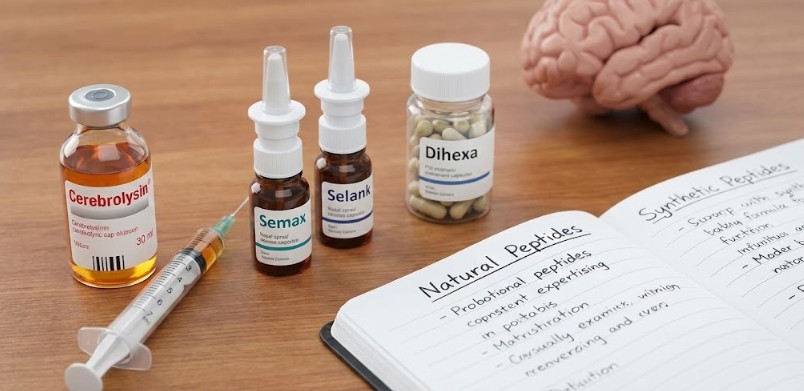
Cerebrolysin is often compared to other brain-boosting compounds. Semax and Selank are two other popular regulatory peptides that are known for boosting focus and mental clarity.
It is often used as a nasal spray for cognitive enhancement is primarily to reduce anxiety and stress. It helps calm the mind without causing sedation.
Both are synthetic peptides with very specific targets. Cerebrolysin differs because it is a natural, broad-spectrum cocktail. It contains hundreds of different peptide fragments.
This provides a wider range of support for physical brain repair. Semax might be better for a quick productivity boost. Cerebrolysin is the heavy lifter for healing damaged tissue.
Synthetic vs. Natural Peptides
Some users prefer synthetic peptides like Dihexa, which is known for its powerful neurogenic properties. It is designed to be orally active and very potent.
Synthetic options offer convenience and targeted action. Natural extracts like Cerebrolysin offer complexity. They mimic the biological environment of a healthy brain.
This complexity is hard to replicate in a synthetic lab. The body often responds well to these natural ratios of growth factors. The choice often depends on the goal of the therapy.
Repairing a physical injury often requires the broad support of Cerebrolysin. Tweaking daily performance might be easier with a targeted synthetic. Combining them should only be done under expert supervision.
The Role of NAD+ in Brain Health
Peptides are not the only tool for brain optimization. NAD+ is a coenzyme found in every cell of your body.
It is essential for producing energy in the mitochondria. Levels of NAD+ decline as we get older. This drop leads to lower cellular energy and slower repair.
Boosting NAD+ can rejuvenate brain cells and clear brain fog. It works synergistically with neurotrophic peptides. While peptides build the structure, NAD+ provides the fuel.
Using them together creates a comprehensive brain health protocol. You provide the blueprints for repair and the energy to execute them. This combination is popular in longevity clinics.
Why Source Matters
The quality of the product is critical for safety. Cerebrolysin is a biological product derived from animals. It must be manufactured under strict sterile conditions.
Impurities or bacteria in an IV product can be dangerous. Authentic Cerebrolysin is made by Ever Pharma in Austria. They use a proprietary enzymatic process to ensure purity.
Getting the product from a reputable source is non-negotiable. Gray market versions might not be safe or effective. Clinics like Livv Natural prioritize sourcing high-quality products.
We ensure that everything meets rigorous safety standards. Using a trusted provider guarantees you get the real medication. It also ensures you have medical guidance during the process.
Patient Experience: What to Expect
Starting a brain repair protocol is a commitment. The treatment involves daily or frequent visits for infusions. Each session is a time to relax while the IV drips.
Most patients report feeling normal during the administration. Some feel a slight boost in mental clarity immediately. For others, the effects build up slowly over weeks.
You might notice you are finding words easier. Your memory might feel sharper or your mood more stable. Recovery is often a slow and steady process.
It is not a magic switch that fixes everything overnight. It is a biological support system that helps your brain work harder. Tracking your progress with a journal can be very helpful.
Combining with Rehabilitation
Medication alone is rarely enough for full recovery. The brain needs active stimulation to wire new connections. Physical therapy, speech therapy, and cognitive exercises are vital.
Cerebrolysin makes the brain more receptive to this training. Think of the peptide as opening a window of opportunity. Rehabilitation exercises push the brain through that open window.
Doing therapy right after an infusion can be very effective. The brain is primed to learn and adapt during this time. This synergy between drug and therapy is the gold standard.
It maximizes the return on the investment of time and money. Patients who engage actively in rehab see the best results. It is a partnership between biology and effort.
The Future of Brain Repair
Research into neurotrophic factors is accelerating. Scientists are finding new ways to deliver these powerful molecules. They are also identifying which patients respond best.
The definition of what is possible in recovery is expanding. We are moving away from the idea that brain damage is permanent. We now know that repair is possible with the right tools.
Peptides like Cerebrolysin are at the forefront of this shift. They represent a move toward regenerative medicine. Future protocols may combine stem cells, peptides, and technology.
This could lead to breakthroughs for conditions currently thought to be untreatable. Staying informed about these advances empowers you to take charge. Your brain health journey is just beginning.
Accessing Advanced Therapies
Navigating the world of advanced brain therapies can be confusing. It is important to work with clinicians who understand these protocols. They can help determine if this treatment is right for you.
They can also design a cycle that fits your specific needs. Safety monitoring is a key part of the process. Regular check-ins ensure that you are responding well.
Adjustments to the dose or frequency can be made as needed. This personalized approach improves safety and efficacy. We are committed to bringing these cutting-edge solutions to our patients.
We believe in the body’s innate ability to heal when given the right support. Exploring these options could be the key to your recovery.
Frequently Asked Questions
Is Cerebrolysin FDA-approved in the USA?
Cerebrolysin is not currently FDA-approved for clinical use in the United States. It is approved in over 50 countries worldwide, including across Europe and Asia. In the US, it is often used for research purposes or accessed through specific integrative clinics operating under distinct regulatory guidelines.
How quickly does Cerebrolysin work?
In acute cases like stroke, benefits can be seen within days. For chronic conditions like dementia, it may take 2 to 4 weeks of daily treatment to notice changes. The effects often continue to develop even after the treatment cycle ends.
Can I take Cerebrolysin with other medications?
It is generally safe to take with most medications. However, it should be used with caution alongside MAO inhibitors or antidepressants. Always provide your full medical history to your doctor before starting.
Does the treatment hurt?
The infusion itself is generally painless. You might feel a small pinch when the needle is inserted. If given as an intramuscular injection, there may be slight soreness at the injection site, similar to a vaccine.
Is the cognitive improvement permanent?
Improvements gained from repairing physical brain structure can be long-lasting. However, in progressive diseases like Alzheimer’s, the treatment slows decline rather than curing it permanently. Maintenance cycles are usually needed to preserve the benefits.
Taking the Next Step for Your Brain
Your brain is your most valuable asset. Protecting it and supporting its repair is a priority. Whether you are recovering from an injury or fighting aging, options exist.
You do not have to accept cognitive decline as inevitable. The science of neurotrophic peptides offers new hope. Cerebrolysin provides a way to biologically support your brain’s healing.
It is backed by decades of research and clinical use. While not a miracle cure, it is a powerful tool for neurorehabilitation. If you are interested in exploring this therapy, we are here to help.
We can guide you through the science and the practicalities. Contact Livv Natural today to discuss your brain health goals. Let us help you find the right path to optimal cognitive function.