

Blog
Defeating Brain Fog: Lifestyle Tips and IV Therapies for Mental Clarity

Brain fog is a feeling many people know well. In our fast modern world, many people describe feeling mentally hazy or unable to think clearly. This common experience is often called brain fog, and it can be very frustrating.
Brain fog isn’t a true diagnosis but a signal that your brain is struggling. Many things can slow your thinking, including stress, poor sleep, and the food you eat daily.
In this guide, we explore what causes brain fog and how to clear it naturally. You will learn simple lifestyle habits, supplements, and therapies to sharpen your focus today here.
We aim to provide clear answers to questions you may type into search engines. We want you to finish this article feeling empowered to restore mental clarity and hope.
In This Article
- What is brain fog?
- Common causes of brain fog
- Lifestyle strategies to beat brain fog
- Supplements and nutraceuticals for brain fog
- Advanced therapies: IV infusions and peptides
- Creating your personal brain fog plan
- Clearer minds, brighter days
What is brain fog?
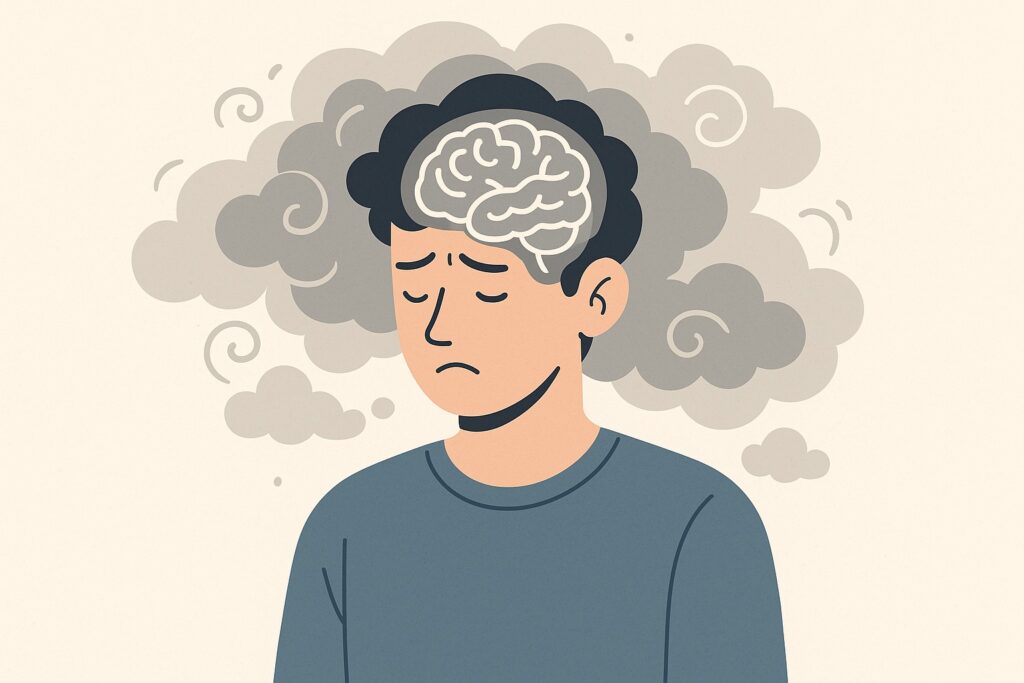
Brain fog is a term people use to describe slow thinking, memory glitches, and a cloudy mind. It feels like walking through fog that dulls your senses and slows responses.
Unlike a disease, brain fog is a symptom of underlying imbalances in your body. It serves as a warning that something needs attention before it escalates to serious issues later.
People often notice brain fog after an illness, surgery, or period of high stress. It can also appear gradually as lifestyle habits and health problems accumulate over the years.
Common signs include trouble focusing, forgetting names or tasks, and feeling spaced out. You may read the same sentence repeatedly before understanding or miss appointments altogether without noticing at first.
Brain fog can make simple activities feel overwhelming. Tasks that require planning or creativity may take longer, and you might feel irritable because your brain is working overtime too hard.
It affects people of all ages, though busy adults and parents may notice it more. Students also experience foggy minds when juggling school work, relationships, and digital distractions these days.
Researchers recognize that brain fog relates to lifestyle factors like sleep, mood, and gut health. One study found gastrointestinal symptoms and mood predicted brain fog severity more than sleep quality.
Brain fog is also linked with chronic inflammation in your body. A poor diet high in processed sugar can trigger inflammatory pathways that impair memory and slow communication between neurons.
Sometimes, brain fog shows up when your body is fighting an infection. Viruses, bacteria, and even mold toxins can produce neuroinflammation that leaves you feeling disoriented and fatigued for days.
Brain fog can stem from mental health issues like anxiety and depression. These conditions alter neurotransmitter levels and cause persistent stress hormones that cloud thinking and reduce concentration over time.
Persistent worry and rumination can trap your mind in a loop of negative thoughts. For more insights, read our anxiety and brain health article, which explores this connection in depth.
Understanding brain fog empowers you to take the next steps in healing. With awareness, you can identify root causes and choose the right strategies to clear the haze right now.
Common causes of brain fog

Not getting enough sleep is one of the biggest causes of brain fog. Research shows that sleep deprivation triggers inflammation, harms neurons, and reduces memory scores in young adults dramatically.
During deep sleep, your brain cleans waste products and consolidates memories. When you cut sleep short, toxins accumulate and synapses don’t reset, leaving you feeling completely groggy the next day.
Many factors disrupt sleep, including late-night screen time, caffeine, and irregular schedules. Setting a consistent bedtime, reducing blue light, and avoiding stimulants may help your brain recover each night.
If you struggle with insomnia, check our sleep quality guide for practical tips. Improving your sleep can drastically reduce fog and improve mood, energy levels, and daily performance quite quickly.
Chronic stress is another major driver of cognitive fog. Chronic stress damages the brain by shrinking the hippocampus and disrupting neural networks that control memory, learning, and attention over time.
High stress also makes it harder to sleep well and encourages emotional eating. This vicious cycle can trap you in a state of hypervigilance and mental exhaustion if left unchecked.
Breathing exercises, meditation, and regular movement lower stress hormones and help your brain recover. Even five minutes of mindfulness can calm your nervous system and clear mental fog each day.
Food is fuel for your brain, and poor nutrition can cause fog. Diet research shows that diets high in refined sugar increase inflammation and impair brain function, causing depression symptoms.
Skipping meals or eating processed foods can cause blood sugar crashes that leave you foggy and tired. Balanced meals with protein, fiber, and healthy fats stabilize glucose and support cognition.
Certain nutrient deficiencies directly cause brain fog. Nutrient studies show that low vitamin B12 and vitamin D are linked with memory problems, depression, and cognitive decline. These can be tested.
Iron, magnesium, and omega-3 fatty acids play crucial roles in brain function. Deficiencies in these nutrients may cause fatigue, irritability, and poor focus until replenished through diet or supplements.
Your gut health influences your mood and cognitive performance through the gut-brain axis. An unhealthy microbiome can produce toxins and lower serotonin, leading to foggy, anxious thoughts and depression.
Learn practical tips in our happy gut guide to support your microbiome. Eating fiber-rich plants, fermented foods, and probiotics can improve digestion and mental clarity over the long term.
Even mild dehydration can reduce attention, memory, and mood. A hydration study showed that rehydrating improved short-term memory and attention while dehydration lowered vigor and reaction time in participants.
To stay hydrated, sip water throughout the day and include mineral-rich beverages. Electrolyte drinks or herbal teas can replenish salts lost through sweat and support nerve signaling for clarity.
Our hydration article explores why many people are chronically dehydrated. It offers easy ideas to help you drink enough fluid daily so your brain can function better every day, though.
Hormonal shifts also contribute to brain fog, particularly during menopause, pregnancy, or thyroid imbalance. Estrogen, progesterone, and thyroid hormones regulate neurotransmitters, and when levels change, cognition can suffer quite noticeably.
Medication side effects, autoimmune diseases, chronic infections, and environmental toxins like mold can all cause brain fog. If you suspect a medical issue, consult a healthcare professional for evaluation promptly.
A sedentary lifestyle and constant screen exposure reduce blood flow and strain your eyes. Taking breaks, moving your body, and spending time outdoors can reduce fatigue and clear your thoughts.
Lifestyle strategies to beat brain fog

Improving sleep quality is one of the effective ways to clear brain fog. Go to bed at the same time each night and create a dark environment for restful slumber.
Expose yourself to natural morning light to anchor your circadian rhythm. Dim lights and avoid screens at least one hour before bed to allow melatonin production and prepare for sleep.
Include relaxing rituals like stretching, journaling, or reading before bed. Keeping your bedroom cool and clutter-free can help your mind unwind and ease into deeper sleep cycles each night.
Food choices shape brain chemistry. Eating a diet rich in fruits, vegetables, whole grains, lean proteins, and healthy fats provides the building blocks your brain needs for neurotransmitters and energy.
A Mediterranean-style diet featuring olive oil, fish, nuts, legumes, and colorful produce supports cognitive health. These foods supply omega-3 fatty acids, antioxidants, and polyphenols that fight inflammation powerfully.
For inspiration, read our nutrition for mental health guide. It details how food can balance mood, reduce inflammation, and support brain function with practical recipes and tips for easy meals.
Staying hydrated is a simple yet powerful brain health habit. Aim to drink eight glasses of water daily, but adjust based on your body size and activity levels accordingly.
Sipping herbal teas like ginger, turmeric, or peppermint can provide antioxidants and calm the nervous system. Adding slices of cucumber, lemon, or mint to water makes hydration more appealing daily.
Physical activity boosts blood flow to your brain and releases growth factors that form new connections. Moderate aerobic exercise just three times a week can improve memory and thinking skills.
Walking, cycling, swimming, dancing, or gardening are all effective ways to move your body. Find activities you enjoy so you’ll be consistent and reap long-term brain benefits over time.
Regular movement also reduces anxiety and depression. The physical activity guidelines recommend at least 150 minutes of moderate exercise per week to protect cognitive health, starting slowly and building up.
Practicing mindfulness meditation can strengthen the hippocampus and reduce amygdala activity. One study found that eight weeks of mindfulness increased gray matter density and reduced stress responses in participants tested significantly.
To start meditation, sit comfortably, breathe slowly, and focus on your breath. When thoughts arise, gently return to breathing without judging yourself or forcing anything to happen for five minutes.
Another stress-reducing technique is journaling. Writing down your worries or gratitude each day helps process emotions and frees mental space for creativity and focus at night before bed, too.
Breathing techniques like box breathing can quickly calm your nervous system. Inhale for four counts, hold for four, exhale for four, and hold again, repeating until you feel centered easily.
Limit exposure to blue light screens before bedtime and take digital breaks during the day. Use apps that filter blue light or wear amber glasses in the evenings to relax.
Social connections and supportive relationships nurture mental health. Spending time with friends and loved ones releases oxytocin and reduces stress, making it easier to think clearly and feel energized daily.
Getting outside in nature improves mood and cognition. Walking among trees or near water can lower stress hormones and restore attention after long periods of focused work and mental clarity.
Balancing blood sugar by eating regular meals and snacks supports steady energy. Combine complex carbohydrates with protein and healthy fats to avoid sugar spikes and crashes that cause fog, too.
Mindful eating helps you recognize hunger and fullness cues. Slow down, chew your food well, and savor flavors to improve digestion, absorption of nutrients, and satisfaction from meals every time.
Cognitive training games like puzzles, memory apps, or learning a new language stimulate brain plasticity. Engaging in creative hobbies such as art, music, or writing builds new neural pathways, too.
Lastly, be kind to yourself and listen to your body. When you feel fatigued, take breaks, breathe, and reflect on whether your habits align with the clarity you desire today.
| Lifestyle area | Key tips |
|---|---|
| Sleep | Fixed bedtime, dark room, avoid screens |
| Nutrition | Whole foods, balanced macronutrients, Mediterranean diet |
| Hydration | Drink water, herbal teas, and electrolytes |
| Stress management | Meditation, breathing, journaling |
| Exercise | Moderate aerobic movement, joyful activities |
Supplements and nutraceuticals for brain fog
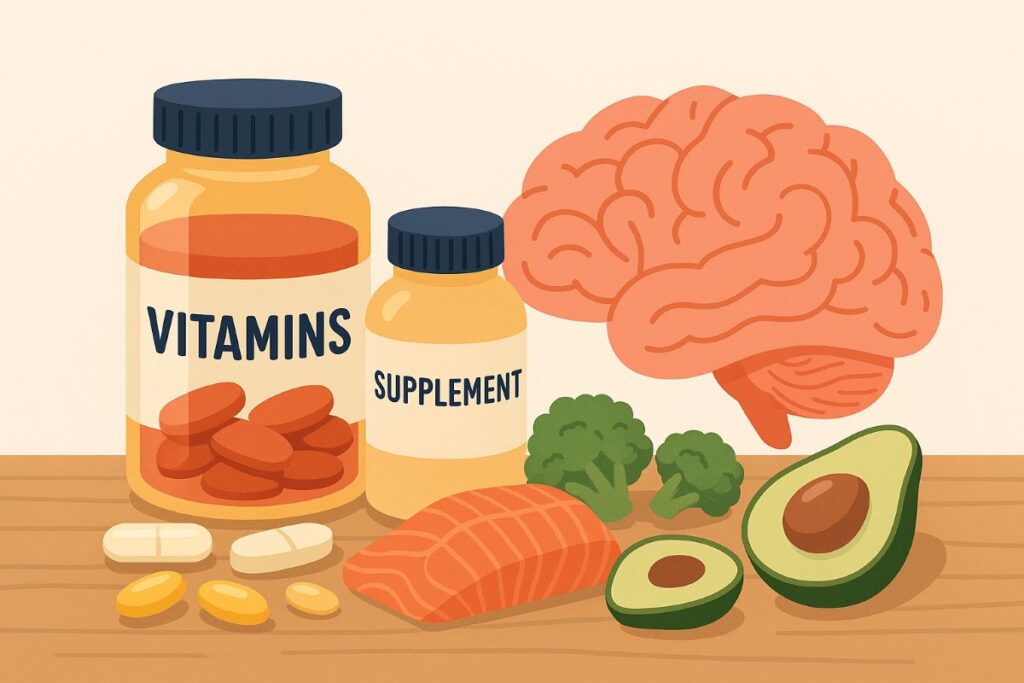
When lifestyle changes aren’t enough, targeted supplements may support clearer thinking. Always talk with a healthcare provider before starting any supplement to ensure safety and proper dosing for your needs.
Vitamin B12 supports nerve health by maintaining myelin, the protective coating around neurons. People following vegan or vegetarian diets may require supplementation since B12 is primarily found in animal products.
Vitamin D influences serotonin production and immune regulation. Sun exposure helps your body produce vitamin D, but supplementation may be necessary during winter months or if levels are low often.
Omega-3 fatty acids found in fish oil and algae supplements are building blocks for cell membranes. They reduce inflammation and support learning, memory, and mood in children and adults.
Magnesium participates in hundreds of enzymatic reactions and is essential for nerve signaling and relaxation. Many people are deficient due to soil depletion and high-stress lifestyles, leading to cramps.
Iron carries oxygen to your brain and muscles. Low iron levels can lead to fatigue, brain fog, and restless legs syndrome, particularly in menstruating women and those with digestive disorders.
Vitamin C is a potent antioxidant that protects neurons from oxidative damage. It also regenerates other antioxidants like vitamin E and supports collagen synthesis for blood vessels and skin health.
Choline is a nutrient that helps make acetylcholine, a neurotransmitter involved in memory and attention. Eggs, liver, and soy lecithin are dietary sources, but supplements can increase intake when needed.
Adaptogenic herbs like ashwagandha, rhodiola, and holy basil help your body adapt to stress. They modulate cortisol, reduce anxiety, and improve resilience without causing sedation or stimulation in most users.
Nootropic herbs such as ginkgo biloba, bacopa monnieri, and panax ginseng may enhance memory and focus. These botanicals increase blood flow, modulate neurotransmitters, and protect neurons from damage when standardized.
Coenzyme Q10 supports mitochondrial energy production and acts as an antioxidant. Supplementing with CoQ10 may improve energy and brain function, especially in people with mitochondrial disorders or high oxidative stress.
NAD+ is a coenzyme essential for cellular energy metabolism and DNA repair. Emerging research suggests that boosting NAD+ levels may protect brain cells and improve cognitive function in some models.
Supplements can support brain health, but they work best when combined with lifestyle changes. Always choose high-quality products from trusted sources and consult professionals for personalized advice before starting.
Advanced therapies: IV infusions and peptides

Intravenous (IV) nutrient therapy delivers vitamins, minerals, and antioxidants directly into your bloodstream. This method bypasses digestion, allowing for higher absorption and quicker effects for some individuals seeking rapid results.
IV therapy formulations vary depending on needs. For example, immune drips include vitamin C, zinc, and glutathione, while energy drips feature B vitamins, ns amino acids, ids, and magnesium to support metabolism.
One of the most talked about IV therapies for brain fog is NAD+ IV therapy. NAD+ is involved in mitochondrial function and may support cellular energy repair and cognitive performance.
Customers sometimes report increased clarity and stamina after NAD+ infusions. However, research is emerging, and more studies are needed to confirm efficacy dosing and long-term safety for cognitive health.
High-dose vitamin C IV therapy provides powerful antioxidant support. Vitamin C neutralizes free radicals, regenerates other antioxidants, and may help reduce inflammation that contributes to brain fog and fatigue.
Glutathione IV therapy delivers the master antioxidant directly into cells. Glutathione supports detoxification, protects neurons from oxidative stress, and may improve mental clarity in conditions involving toxin exposure, like mold.
Myers’ cocktail is an IV blend containing vitamin C, B vitamins, magnesium, and calcium. It’s used to boost energy, support immunity, and address issues like migraine, fatigue, and muscle cramps.
Another advanced therapy for brain fog is peptide injections. Nootropic peptides are short protein fragments that communicate with cells to enhance memory, mood resilience, and neuroprotection without overstimulation in individuals.
Semax is a peptide derived from a fragment of ACTH. It acts like a cognitive accelerator, increasing brain-derived neurotrophic factor and dopamine levels to promote sharp focus and learning.
Selank is an anxiolytic peptide that reduces anxiety and supports emotional stability. By modulating GABA and serotonin pathways, it provides calm clarity without drowsiness, making it useful during stressful periods.
PE‑22‑28 and Pinealon are peptides studied for neuroprotection and memory enhancement. They may support neurogenesis and reduce oxidative stress, but human research is limited, and dosing guidance is evolving rapidly.
IV therapies and peptides should only be administered under professional supervision. Medical providers will assess your health history, lab work, and goals to create personalized protocols and monitor responses carefully.
These advanced therapies can be powerful tools when combined with lifestyle changes and supplements. They offer support for those seeking improvements, but are not substitutes for healthy habits long term.
Creating your personal brain fog plan

Designing a personal brain fog plan starts with self-reflection. Keep a journal for two weeks, recording your sleep, diet, stress levels, hydration, and mental clarity to spot patterns easily.
Identify which factors trigger fog and rank them by impact. For example, you may notice that late nights cause more fog than missing one workout or eating dessert for clarity.
Focus on foundational habits first. Prioritize seven to nine hours of sleep, balanced meals, regular movement, and stress management before adding supplements or advanced therapies for sustained mental clarity daily.
Once your foundation is set, consider targeted supplements to address specific deficiencies. Get blood tests to evaluate vitamin and mineral levels and work with a practitioner to interpret results accurately.
If lifestyle changes and supplements don’t resolve fog, discuss IV therapy or peptides with your doctor. They can help decide whether advanced treatments are appropriate based on your health status.
Remember that everyone’s brain is unique. What works for your friend might not work for you, so be patient, experiment carefully, and adjust your plan based on your body’s feedback.
Using a planner or app to schedule sleep, meals, exercise, and screen breaks can increase accountability. Small, consistent actions lead to big improvements over weeks and months and lasting habits.
Consider working with a naturopathic doctor who can review your medical history, lifestyle, and goals. Professionals offer guidance on lab testing, personalized nutrition supplement protocols, and stress reduction techniques, too.
Our wellness team can help you design a comprehensive protocol combining lifestyle changes, supplements, and therapies. We offer consultations to understand your needs and create a step-by-step plan.
Stay connected with supportive communities online or in person to share experiences and insights. Hearing others’ stories can inspire you and remind you that improvement is always possible for everyone.
Celebrate small victories along the way, such as sleeping better or remembering names. Recognizing progress keeps you motivated and reinforces the habits that contribute to clear thinking every single day.
Over time, your personalized plan can evolve as your body heals and your life changes. Remain flexible and continue learning so your mind stays clear and resilient long term.
Clearer minds, brighter days
Brain fog can be unsettling, but it isn’t permanent. By understanding its causes, you can take actionable steps to clear the haze and reclaim your mental sharpness with patience.
Addressing sleep stress, diet, hydration, and gut health often clears the fog dramatically. Making small, consistent lifestyle adjustments builds a strong foundation for your mind and body over many weeks gradually.
When needed, targeted supplements like vitamins B12 and D, omega-3, magnesium, or adaptogens can fill nutritional gaps. Always test your levels and choose high-quality brands for safety first.
Advanced options such as IV nutrients and peptides may offer additional support under professional guidance. They are effective when layered on top of healthy sleep, nutrition, stress, and activity habits.
Developing a personalized plan helps you track progress and adjust strategies. It empowers you to take ownership of your health and notice which changes make the biggest difference for clarity.
Remember that healing isn’t linear. Some days will feel easier than others, but staying consistent with your habits will gradually reduce brain fog and build resilience and mental strength, too.
Seek support from friends, family, or professionals when you need guidance. Sharing your struggles and successes fosters accountability and reminds you that you’re not alone on this journey at all.
Our team at LIVV Natural is here to help. We offer naturopathic consultations, IV therapies, peptide programs, and products to support your journey toward clear focus and vibrant health today.
If you’re ready to take the next step, book a consultation or explore our shop. We would love to partner with you and create a plan tailored to your needs.
Clearer days are ahead when you prioritize your brain and body. With curiosity, patience, and support, you can lift the fog and experience mental vitality every day, starting right now.