

Blog
Glowing Skin From the Inside Out: IV Glutathione and Vitamin C for Skin Brightening
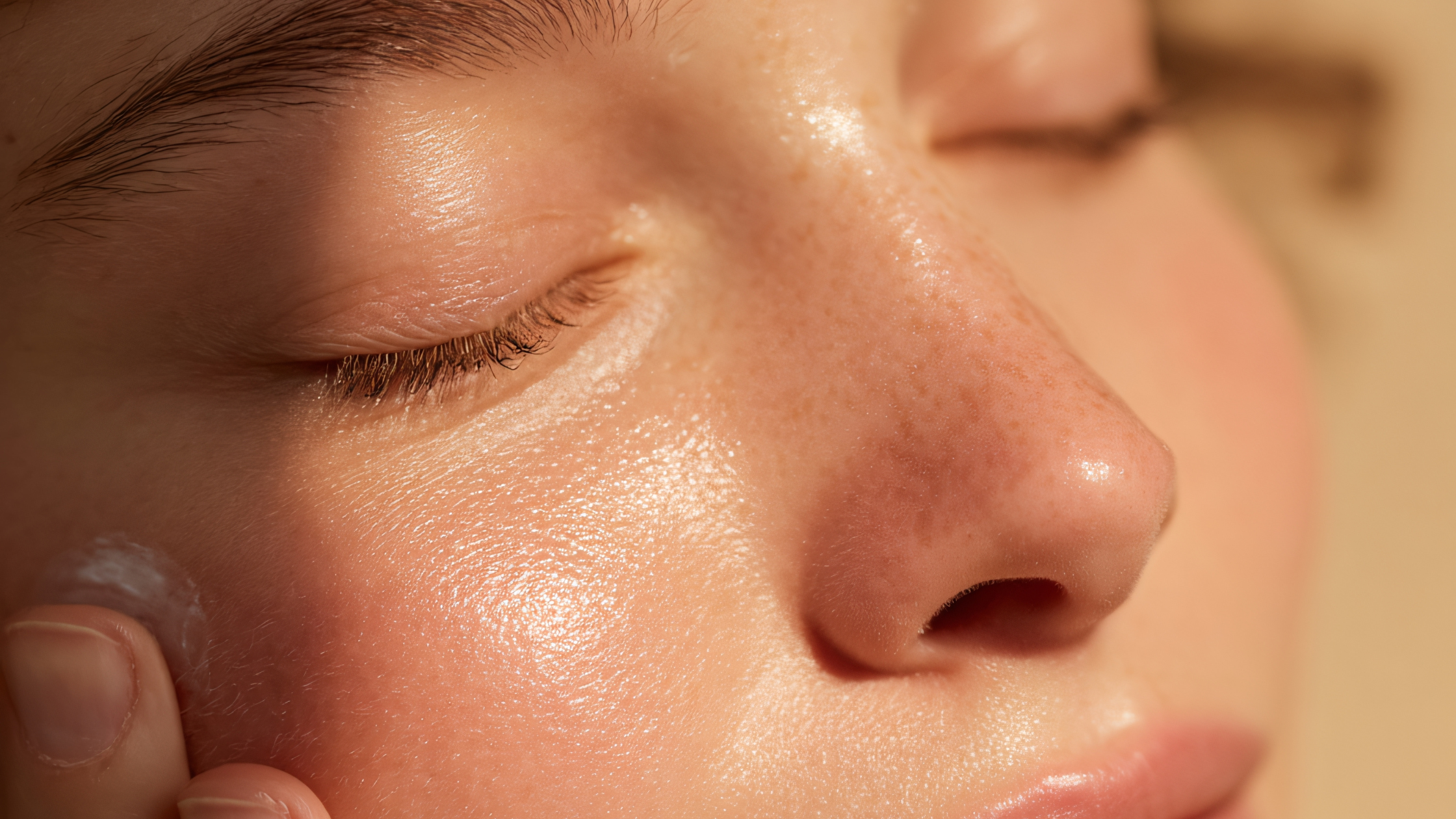
We all dream about waking up to a mirror that reflects a smooth, radiant complexion that looks like it has its own inner light.
In the search for glowing skin, people try creams, diets, and even intravenous infusions of antioxidants to achieve brightness from within.
The idea of taking vitamins and antioxidants directly into the bloodstream may sound like a fast track to beauty, but the science behind these treatments is complex.
This guide explores how your skin makes pigment, how glutathione and vitamin C fit into that process, and what you need to know before considering any kind of infusion.
In This Article
- Understanding Skin Pigmentation and Brightening
- Glutathione: The Body’s Master Antioxidant
- The Power of Vitamin C
- Delivery Methods: Oral, Topical, and Intravenous
- Glutathione + Vitamin C: A Brightening Duo
- Evidence and Safety: Science vs. Hype
- Natural Ways to Support Bright Skin
- Frequently Asked Questions and Conclusion
- Conclusion
Understanding Skin Pigmentation and Brightening

Skin color comes from melanin, a pigment made by special cells called melanocytes in the deepest layer of the epidermis.
Your genes largely determine how much melanin you produce, but sun exposure, hormones, and inflammation can also increase production and create darker spots or uneven tone.
Melanocytes use an enzyme called tyrosinase to convert the amino acid tyrosine into eumelanin, which is a dark brown pigment.
When tyrosinase activity slows down, your skin produces more pheomelanin, a light yellow pigment, and this shift makes the complexion appear brighter.
Hyperpigmentation happens when small areas of skin make too much melanin, forming age spots, melasma, or post‑inflammatory marks. These patches are often triggered by ultraviolet exposure, hormonal changes, acne, or injuries that leave behind a deposit of extra pigment.
Oxidative stress from pollution, smoking, and chronic inflammation can also stimulate melanin production by activating tyrosinase.
Antioxidants fight free radicals and may reduce tyrosinase activity, so scientists have studied whether antioxidants like glutathione and vitamin C could influence skin tone.
Your skin constantly renews itself, shedding old cells and replacing them with new ones from below. When cell turnover slows with age or when dead cells build up on the surface, the complexion can look dull, regardless of pigment levels.
Treatments that claim to “brighten” focus either on slowing melanin production or speeding up the removal of pigmented cells.
Antioxidants, exfoliants, and peptides that stimulate collagen are often used together to improve overall tone and texture.
Peptides are short chains of amino acids that send messages to skin cells, telling them to make more collagen or heal faster.
A peptide‐based therapy can help skin look firmer and more even, which enhances any brightening effect.
When we talk about glutathione and vitamin C for skin brightening, we are talking about two antioxidants that interact with melanin production at different points.
To understand why they’re so popular, you first need to know what makes glutathione special.
Glutathione: The Body’s Master Antioxidant

Glutathione is a small molecule made of three amino acids – cysteine, glutamic acid, and glycine – that your cells manufacture constantly.
It is often called the master antioxidant because it protects every cell against free radicals, recycles other antioxidants, and supports detoxification processes.
This tripeptide is most concentrated in the liver, where it binds toxins and metabolic by‑products so they can be safely removed.
It also helps regenerate vitamins C and E after they have neutralized free radicals, allowing those vitamins to keep working in your body.
Glutathione plays a key role in immune function by supporting the activity of white blood cells and maintaining the integrity of their membranes.
Low levels of glutathione have been linked to impaired immunity, increased inflammation, and accelerated aging.
Scientists have discovered that glutathione can affect skin tone by inhibiting tyrosinase, the enzyme responsible for the first step in melanin synthesis (research review).
It also converts darker eumelanin into lighter pheomelanin, which naturally shifts the balance toward a brighter complexion.
Glutathione levels decline with age, chronic stress, poor diet, UV exposure, and certain illnesses.
A lower pool of this antioxidant may lead to more oxidative damage in the skin and can contribute to dullness or uneven tone.
Because glutathione is quickly broken down by digestive enzymes, oral supplements of glutathione are poorly absorbed.
Some people instead take N‑acetyl cysteine (NAC), a glutathione precursor, along with B vitamins, selenium, and sulfur‑rich foods like garlic and onions to boost production naturally.
Topical creams containing glutathione claim to lighten dark spots, but the molecule is so large that it has difficulty penetrating the skin barrier.
To bypass these issues, some clinics offer intravenous (IV) glutathione therapies that deliver the molecule directly into the bloodstream.
Glutathione also works closely with vitamin C – the next nutrient in our story – because both help recycle each other.
When vitamin C donates electrons to neutralize free radicals, glutathione can restore vitamin C to its active form, and vitamin C can do the same for glutathione, creating a continuous antioxidant cycle.
The Power of Vitamin C

Vitamin C, also known as ascorbic acid, is a water‑soluble vitamin that humans must obtain from food or supplements.
The body uses it in many metabolic processes, including the formation of collagen, hormones, and neurotransmitters.
In the skin, vitamin C plays a critical role in synthesizing collagen, the protein that provides structure and elasticity.
It acts as a cofactor for enzymes that stabilize and crosslink collagen fibers, and it promotes the expression of genes that build collagen.
Adequate vitamin C also improves wound healing by regulating elastin and increasing turnover at the site of injury.
Studies show that combining vitamin C with vitamin E or other antioxidants can help reduce redness and speed recovery.
Beyond its role in collagen, vitamin C is a potent antioxidant that neutralizes free radicals and protects skin cells from oxidative damage.
By limiting oxidative stress, vitamin C reduces inflammation and may prevent the breakdown of collagen and elastin that leads to wrinkles.
Vitamin C also influences melanin production by downregulating tyrosinase, the same enzyme targeted by glutathione (systematic review).
When used topically or systemically, it can lighten hyperpigmented spots and even out skin tone.
Because vitamin C is water-soluble and unstable, topical serums must be formulated carefully to remain effective.
Some studies show that combining vitamin C with microneedling or sonophoresis enhances absorption and improves elasticity in sensitive skin.
The recommended dietary allowance for vitamin C is 90 mg per day for adult men and 75 mg for women, with an upper limit of 2 g per day. High oral doses above 1 g can cause digestive upset, and intravenous doses used in medical settings range from 10–25 g per infusion.
High‑dose vitamin C infusions are sometimes used as adjunct therapy in cancer treatment or to combat infections, but they may become pro‑oxidative at very high concentrations and should only be administered by qualified professionals.
If you want to learn more about how larger doses of vitamin C are used in practice, you can read our article on high‑dose vitamin C.
With the basics of these two antioxidants in mind, let’s explore how they can be delivered and what benefits they might offer.
Delivery Methods: Oral, Topical, and Intravenous

Oral supplements are the simplest way to increase your intake of antioxidants. Capsules and powders allow you to swallow vitamin C or glutathione precursors with a glass of water, and they work with your body’s natural digestive processes.
Oral glutathione has poor bioavailability because digestive enzymes break it down before it reaches your bloodstream.
Liposomal formulations and precursors like NAC, combined with B vitamins and minerals like selenium, can help your body build its own glutathione more effectively.
Oral vitamin C is absorbed in the small intestine and transported to tissues until saturated. Research shows that taking 3 g per day for six weeks can saturate keratinocytes in the skin, but taking more does not increase levels and may cause diarrhea.
Topical products, such as serums and creams, deliver antioxidants directly to the skin surface. They can help lighten dark spots and boost collagen when used consistently, though vitamin C is unstable and must be protected from light and air to remain effective.
Some dermatologists use microneedling or sonophoresis to push vitamin C and other antioxidants deeper into the skin.
This combination has been shown to increase skin elasticity and reduce redness in sensitive skin.
Intravenous therapy delivers nutrients directly into the bloodstream, bypassing the digestive system. Clinics offering IV drips promote them as a fast way to raise nutrient levels, treat deficiencies, or support detoxification.
For cosmetic purposes, vitamin C infusions typically range from 10–25 g per session, and glutathione doses range from 600 mg to 2 g (up to 3 g in some clinics).
Treatments may be given weekly or several times a week, often in combination with other nutrients such as magnesium and NAC.
Those interested in the protocol can review clinic guidelines that describe typical dosing and frequency for skin brightening infusions.
Anyone considering IV therapy should undergo screening for conditions like glucose ‑ 6 ‑ phosphate dehydrogenase (G6PD) deficiency, kidney problems, and iron overload.
Because infusions can pose risks of infection and allergic reaction, they should only be administered by a licensed medical professional in a sterile environment.
To learn more about intravenous antioxidant therapy options, you can explore our glutathione IV therapy page.
If you are curious about a treatment that combines vitamin C with glutathione and NAC specifically for brightening, our clinic offers a skin lightening infusion as part of the IV lounge.
This blend pairs antioxidants with minerals to support detoxification and clarity while being administered under professional supervision.
Glutathione + Vitamin C: A Brightening Duo
Glutathione and vitamin C form a unique partnership in the body’s antioxidant network. When vitamin C neutralizes a free radical, glutathione regenerates it back into its active form; in turn, vitamin C can restore glutathione, allowing both to continue protecting cells.
Together, these antioxidants inhibit tyrosinase, decrease production of eumelanin, and promote the formation of lighter pheomelanin.
This dual action is why many clinics combine them in skin‑lightening infusions and why some people report a more luminous complexion after treatment.
Combination therapy typically involves delivering vitamin C and glutathione in the same IV bag or in separate pushes during the same appointment.
Clinics often add NAC or magnesium to stabilize the solution and support detoxification. Some individuals see a noticeable improvement in skin brightness and clarity after just a few sessions, but results vary based on baseline pigmentation, lifestyle, and overall health.
People with darker skin tones may notice a more gradual change, while those with lighter complexions may see a subtle glow after one treatment.
A narrative review of glutathione supplementation reported that 37.5 percent of participants receiving 1.2 g of glutathione twice weekly for six weeks experienced temporary lightening, yet benefits faded within six months, and 32 percent experienced adverse events such as liver dysfunction or anaphylaxis.
This suggests that while short‑term effects are possible, the therapy is not a magic cure.
Many clinics promote combination infusions for overall wellness, noting that glutathione can enhance immunity and detoxification while vitamin C supports collagen and energy.
Still, high doses can act as pro‑oxidants, meaning they might generate reactive oxygen species under certain conditions.
These treatments are often costly and are not covered by insurance. For those seeking a more affordable option, oral supplements, topical serums, and lifestyle changes can provide steady support for skin health without the risks of infusion therapy.
Evidence and Safety: Science vs. Hype

Scientific evidence for intravenous glutathione is limited and mixed. A narrative review concluded that the practice is controversial because there are no standardized dosing protocols and nearly one‑third of patients report adverse effects, ranging from mild gastrointestinal symptoms to liver dysfunction and life‑threatening allergic reactions.
The same review notes that the Philippine Food and Drug Administration warns against IV glutathione for skin lightening due to risks of liver damage and the absence of clinical proof.
It recommends that glutathione infusions be reserved for specific medical conditions and conducted under close supervision.
An informative article observed that almost one‑third of patients receiving glutathione injections experienced side effects such as liver dysfunction, anaphylaxis, and kidney damage, highlighting the lack of standard dosing and the need for safer alternatives.
Oral supplements and dietary measures were recommended as safer routes for those seeking antioxidant support.
Vitamin C injections are generally well tolerated at medically appropriate doses, but high doses can lead to iron overload, kidney stones, and kidney damage.
A health article warned that there is no evidence that high‑dose vitamin C injections promote weight loss or skin whitening, and that they should be reserved for treating deficiencies or as part of cancer care.
Another clinic article pointed out that vitamin C injections can raise blood sugar, potentially triggering diabetes or early menopause, and may overload the kidneys; it emphasized that injections should only be given after a complete medical examination and that there is no proof they brighten skin.
Review papers on IV therapy warn of additional risks, including infection at the injection site, thrombophlebitis, air embolism, vein damage, electrolyte imbalances, and allergic reactions (medical review).
They stress that there is little evidence of benefit for healthy people and that the treatments can be very expensive.
Reputable medical organizations note that high doses of vitamins delivered intravenously can cause kidney damage, heart rhythm abnormalities, and blood pressure changes, and that most nutrients can be obtained safely through diet and oral supplements.
A Harvard Health blog and a Mayo Clinic commentary recommend focusing on proper nutrition, regular exercise, and sleep rather than seeking an “instant glow” from an IV drip.
If you decide to pursue an infusion, choose a qualified practitioner, ask about screening for G6PD deficiency and kidney health, and ensure the clinic follows strict sterility protocols. Always discuss your medical history and medications with the provider, and remember that no treatment can replace a healthy lifestyle.
Natural Ways to Support Bright Skin

Radiant skin often starts at the grocery store. Citrus fruits, berries, kiwi, bell peppers, and leafy greens like kale and spinach are loaded with vitamin C and other antioxidants that protect cells and support collagen synthesis.
Foods that promote glutathione production include sulfur‑rich vegetables such as broccoli, cauliflower, Brussels sprouts, garlic, and onions.
Lean proteins and eggs supply amino acids needed to build glutathione, and supplements like NAC can boost levels when used appropriately.
Peptides can also help revitalize the skin by telling your cells to make more collagen and heal faster.
Incorporating peptide‑rich skincare products or exploring peptide therapy under professional guidance may complement antioxidant strategies.
Hydration is a simple but powerful tool. Drinking enough water helps flush toxins from your body and keeps skin cells plump and resilient.
Moisturizing creams with humectants like hyaluronic acid and ceramides help trap water in the skin barrier.
Daily sun protection is essential for preventing hyperpigmentation and premature aging. Broad‑spectrum sunscreen, wide‑brimmed hats, and shade during peak hours help block UV rays that stimulate melanin production and break down collagen.
Quality sleep allows your body to repair and regenerate. Aim for seven to nine hours per night to support melatonin production and control cortisol levels, which can otherwise contribute to inflammation and break down collagen.
Managing stress through mindfulness, deep breathing, yoga, or regular exercise can lower inflammatory hormones and support healthy skin.
Reducing alcohol intake and avoiding smoking also protects your antioxidant stores and prevents early wrinkles.
Although lifestyle changes take longer than an infusion to deliver results, they build a foundation for lasting health and beauty.
The next section answers common questions and ties together the themes of this guide.
Frequently Asked Questions and Conclusion
How soon will I see results from antioxidant therapy?
Everyone’s skin is different, and factors like diet, sun exposure, and genetics influence how quickly you notice changes.
Oral supplements and topical products may require several weeks of consistent use, while IV infusions can create a temporary glow that fades within a few months.
Are skin‑brightening infusions permanent?
No. Melanin production continues throughout life, and any reduction achieved through an infusion is temporary; maintenance treatments or lifestyle changes are needed to sustain results.
Who should avoid these treatments?
People with liver or kidney disease, G6PD deficiency, iron overload, or known allergies to any components should skip IV antioxidant therapy.
Pregnant and breastfeeding women should avoid these therapies unless recommended by their physician.
How do I decide between oral and intravenous antioxidants?
Oral supplements and dietary improvements are safer, more affordable, and sufficient for most people.
Intravenous therapy may be considered under medical supervision for specific health conditions, but it carries more risks and is not recommended for cosmetic purposes by most experts.
Conclusion
In summary, glutathione and vitamin C are powerful antioxidants that protect your cells and play important roles in collagen synthesis, detoxification, and immunity.
Their combined ability to inhibit tyrosinase has led to popularity as a skin‑brightening duo, but the evidence supporting intravenous use in healthy people is limited, and the potential risks are significant.
A bright complexion comes from a holistic approach that nourishes your body from the inside out.
Choosing a balanced diet rich in fruits and vegetables, practicing sun protection, managing stress, and exploring topical or oral supplements will support skin health without the dangers of high‑dose infusions.
If you are curious about targeted therapies or have specific concerns, consider scheduling a free consultation through our wellness center.
A qualified practitioner can assess your needs and design a personalized plan that may include nutrient shots, peptide therapy, or other natural treatments to help you reach your goals.
Ultimately, glowing skin is a reflection of overall wellness. By making informed choices and focusing on healthy habits, you can nurture your skin and feel confident in your natural radiance.